
Content Production Flow for Documentation of Trips, Sailing, and Outdoor Activities in Labuan Bajo

Fitriyawati
January 6, 2026
10 min read
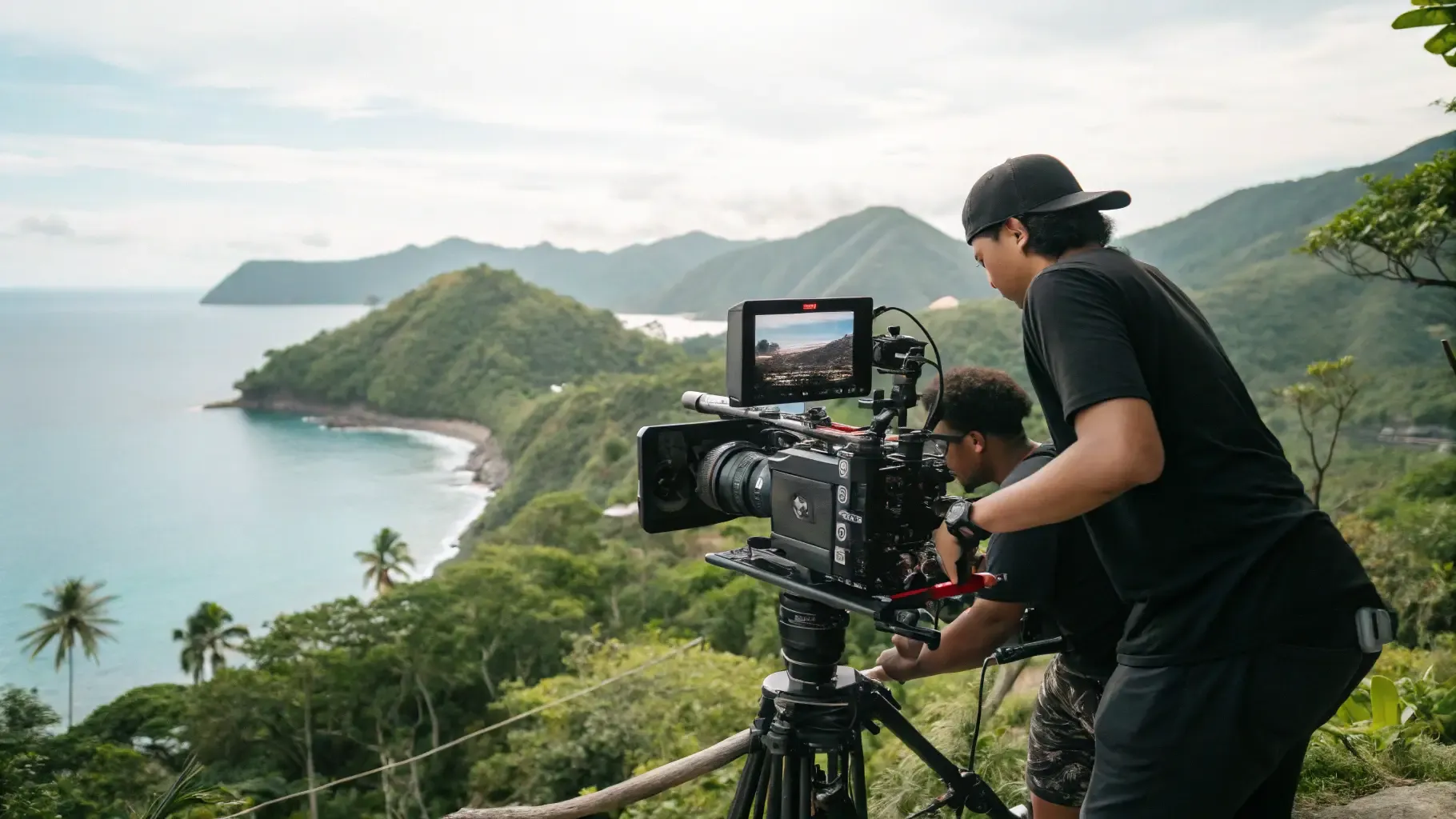
Labuan Bajo is not just a tourist destination, it’s also a favorite spot for professional content production. From sailing in Komodo waters to outdoor activities like snorkeling, hiking, and exploring exotic islands, every moment offers unique visual opportunities. Have you ever wondered how a production team manages to capture all this beauty with consistent and professional results? To maximize documentation, understanding the content production flow for documentation of trips, sailing, and outdoor activities in Labuan Bajo is a key factor. In this article, we’ll discuss strategic steps for content production, preparation needed, and tips for maintaining visual quality throughout the process.
Key Takeaways
- Labuan Bajo is an ideal location for professional content production, from sailing, snorkeling, and hiking to exploring exotic islands that offer unique visual moments.
- Understanding the content production flow is crucial to ensure that every step, from planning to distribution, supports each other, resulting in consistent and professional content.
- The pre-production stage includes defining content objectives, understanding routes and destinations, preparing equipment, and briefing the team so everything is ready before field action begins.
- During on-field production, focus on documenting moments on the boat, outdoor activities, iconic spots, and short participant interviews to create more engaging storytelling.
- Post-production involves data management, editing, content distribution, and evaluation, including tips on flexibility and collaborating with professional local services like Labuan Bajo Productions for optimal documentation results.
What Are the Content Production Steps for Documenting Trips, Sailing, and Outdoor Activities in Labuan Bajo?
Before diving into step-by-step details, it’s important to understand that content production is more than just taking photos or recording videos. Each step is interconnected, from initial planning to final distribution, and every decision affects your content’s final outcome. By understanding this flow, you can ensure that every moment of your trip, whether sailing, snorkeling, or island exploration, is documented professionally and neatly. Here’s the content production flow for documenting trips, sailing, and outdoor activities in Labuan Bajo, divided into three main stages:
1. Pre-Production (Planning)

Pre-production is the initial phase of the content creation workflow that serves as the foundation to ensure the entire process runs smoothly. At this stage, all preparations are planned to minimize the risk of missing important moments. With careful planning, you can make sure every aspect, from content objectives to on-field logistics, is ready before action begins. Here’s what you need to do:
- Define Content Goals
First, be clear about the purpose of your content. Is it for promoting an open trip, personal documentation, or specific packages like Silver, Gold, or Platinum? With clear objectives, the production team can determine the visual concept, content type, and proper duration. - Understand the Route and Destinations
Next, familiarize yourself with the locations and activities, such as Padar Island, Komodo, Pink Beach, or snorkeling in Komodo waters. Understanding the itinerary allows you to schedule shooting times effectively, so all the highlights are covered without rushing. - Prepare Production Equipment
Don’t forget to ensure all cameras, lenses, GoPros, drones, stabilizers, spare batteries, and hard drives are ready. Ideally, allocate at least 15–35GB per day for storage to safely store raw files and make transfer and backup easier. - Team Briefing
Finally, coordinate schedules, locations, and safety protocols with guides or boat crew. A clear briefing ensures every team member understands their role and responsibilities, making the production process more efficient and safe.
2. Production (On-Field Coverage)
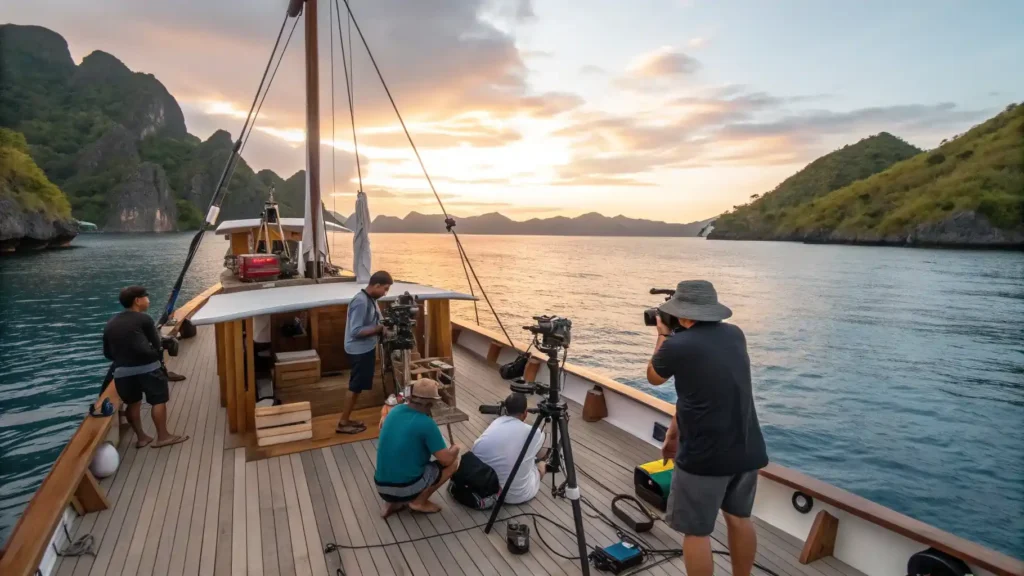
The production phase is when all planning is executed in the field. This stage aims to capture every moment of the trip and activities creatively and professionally. Flexibility is crucial here, as natural conditions or situations on-site can change at any time. Here’s what to focus on:
- Capture Moments on the Boat
Start by filming participants’ activities on the boat, from morning routines and team interactions to sunsets at sea. Natural shots are more engaging than overly posed ones. Additionally, this documentation provides visual context for your journey. - Document Outdoor Activities
Use drones for aerial shots and GoPros or underwater cameras for snorkeling, diving, or hiking. With a variety of perspectives, your content becomes more complete, professional, and able to capture details that are sometimes missed. - Iconic Spots and Creative Angles
Don’t forget to shoot at iconic spots like the red and white cliffs of Padar Island, Komodo, or Pink Beach. Vary your angles between wide shots and close-ups so both the scale and details of the locations are communicated simultaneously. - Short Interviews (Optional)
If possible, collect participant testimonials. Simple questions like “What did you enjoy most during this trip?” or “How was your snorkeling experience here?” add a personal touch and make the storytelling content more lively.
3. Post-Production (Content Processing)
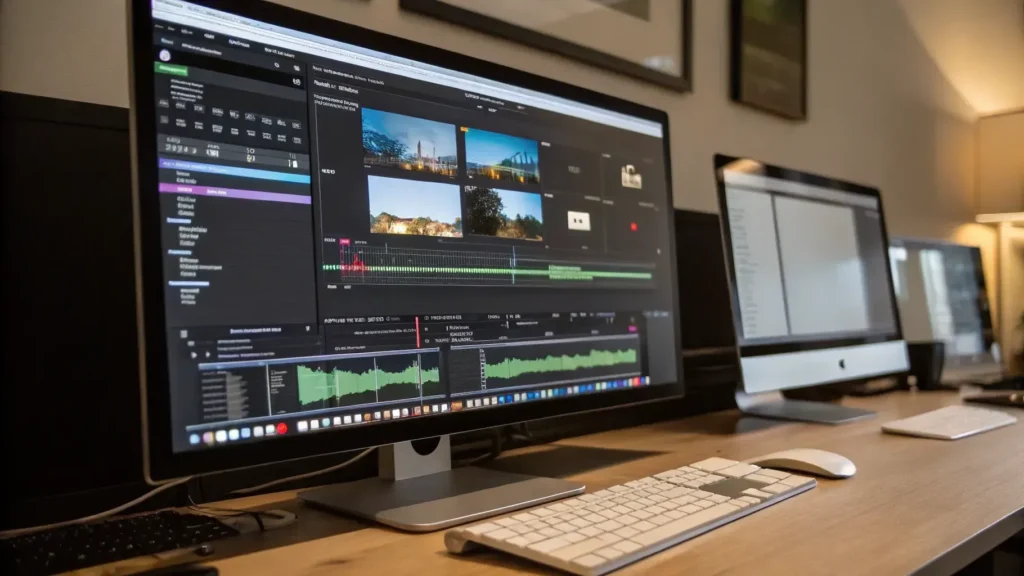
Post-production is the stage where all raw files collected in the field are processed into ready-to-use content. This stage is crucial, as the final quality depends heavily on data management, editing, and organized distribution. Systematic post-production ensures content aligns with the initial objectives, remains safe, and is easy to use for promotion or personal documentation. Here’s what to do:
- Data Management and Backup
After each shooting session, ensure all files are stored systematically. Use external hard drives, portable SSDs, or cloud storage as additional backups. Also, record metadata like location, time, lens type, and weather conditions. Well-organized data speeds up editing workflow and makes content quality evaluation easier. - Content Editing
At this stage, digital creativity meets visual technique. Color grading, cropping, video stabilization, and audio adjustments are essential. Editors must understand the original production concept so the final result remains consistent with the goals. Example processes include:- Reels/TikTok: Create 15–60 second short videos with relevant music to quickly grab audience attention.
- Landscape/Story Videos: Compile 2–5 minute long videos that comprehensively narrate the journey, with smooth transitions and visual storytelling.
- Photos: Select the best shots from RAW or JPG formats, then edit lighting, color, and cropping to look natural and professional, while reflecting Labuan Bajo’s unique visuals like sea colors and sunlight.
- Content Distribution
After editing, choose the proper format and platform to share your content, such as feed posts, reels, or long videos. Include captions, storytelling, hashtags, and relevant SEO keywords to increase engagement and awareness. - Evaluation and Feedback
Finally, evaluate the editing results and overall workflow. Gather feedback from clients, audiences, or internal teams to improve the next production. This evaluation also helps adjust strategies for Labuan Bajo’s unique field conditions, ensuring every project continually grows and matures.
Read more: What Are the Labuan Bajo Trip Documentation Package Types? Find Out Here!
Additional Tips for Content Production in Labuan Bajo
Some extra tips to support the success of the content production flow for documentation of trips, sailing, and outdoor activities in Labuan Bajo include:
- Always bring backup equipment like batteries, memory cards, and camera protection to stay ready for unexpected field conditions.
- Use equipment suitable for outdoor and marine conditions, such as waterproof cases and floating straps, to keep your documentation safe.
- Maintain open communication within the team, especially in remote locations, for smoother coordination during shooting.
- Always prioritize team and participant safety; never take risks just to get a certain shot.
- Respect local ethics and culture when filming on islands or villages around Labuan Bajo to maintain responsible documentation practices.
- Stay flexible with schedules and shooting times, as weather and field conditions can change anytime, allowing you to adjust strategies for optimal content results.
- Consider collaborating with experienced local videographers, such as teams from Labuan Bajo Productions, to ensure documentation looks professional and matches the visual character of Labuan Bajo.
Read more: Celebgram-Style Vacation Photo Tips While Sailing in Labuan Bajo: Find Out Here!
It’s Time to Create Aesthetic and High-Quality Content with Labuan Bajo Productions!
Before you start documenting your trip, sailing, or outdoor activities in Labuan Bajo, it’s important to understand the content production flow for documentation of trips, sailing, and outdoor activities in Labuan Bajo, which consists of three main stages. First, pre-production, where you define content objectives, understand the route and destinations, prepare equipment, and conduct a team briefing to ensure a smooth journey and capture all important moments. Second, on-field production, which includes shooting on the boat, island exploration, snorkeling, and other outdoor activities, while staying flexible to adapt to weather and field conditions, and adding short interviews to make storytelling more engaging. Third, post-production, which involves data management and backup, video and photo editing, distributing content to the right platforms, and evaluating results to ensure the final content is neat, professional, and aligned with your objectives.
Since handling all these stages can be complex, hiring experienced local professionals can be a solution to ensure your documentation is consistent, safe, and of high quality. Through professional documentation services from Labuan Bajo Productions, every moment of your journey, from sailing in Komodo waters, snorkeling in exotic spots, to hiking and exploring islands, will be captured neatly, naturally, and aesthetically. Our team not only understands production techniques but also the visual character of Labuan Bajo, ensuring content remains authentic and compelling. With careful planning, professional execution, and structured post-production, you can obtain trip documentation ready for promotion, portfolio use, or personal keepsakes.
Don’t wait any longer! Book professional documentation services in Labuan Bajo now and consult with our team to plan your Labuan Bajo trip documentation!

FAQs About the Content Production Flow for Documenting Trips, Sailing, and Outdoor Activities in Labuan Bajo
What is a content production flow and why is it important for documenting trips in Labuan Bajo?
A content production flow is a systematic series of steps, from planning, on-field coverage, to post-production. By following this flow, you can ensure every moment of sailing, snorkeling, or island exploration is captured professionally, neatly, and in line with the original objectives. Without a clear workflow, the risk of missing important moments or producing inconsistent content increases.
How can you capture sailing and outdoor activity moments effectively?
During on-field production, it’s important to record participants’ activities naturally, use drones or underwater cameras for unique perspectives, and take creative angles at iconic spots like Padar Island or Pink Beach. Short participant interviews can also add storytelling value.
How can data be managed to prevent loss during field production?
After each shooting session, store files systematically across multiple storage options such as external hard drives, portable SSDs, or cloud storage. Record metadata like location, time, lens type, and weather conditions to make the editing process easier and streamline the post-production workflow.
Why is flexibility important during outdoor content production?
Weather and sea conditions in Labuan Bajo can change unexpectedly. Flexibility allows you to adjust shooting plans without compromising content quality, ensuring documentation remains maximum and professional even under unpredictable circumstances.
Does working with a local team really help?
Yes. Collaborating with experienced local videographers, such as the team from Labuan Bajo Productions, can enhance visual quality and storytelling. They understand Labuan Bajo’s visual character, field conditions, and optimal shooting techniques, making the production process more effective and professional.
Related Article
What Are the Benefits of Using a Professional Photographer vs Phone While on Holiday in Labuan Bajo? Find Out Here!
A holiday in Labuan Bajo always offers views that are
A holiday in Labuan Bajo always offers views that are difficult to forget. From the legendary dragons of Komodo Island
How to Document the Sunrise on Padar Island to Make it Look Engaging? Find Out Here!
If you’re planning a trip to Labuan Bajo, there’s a
If you’re planning a trip to Labuan Bajo, there’s a good chance Padar Island is already on your itinerary. This
Through the Lens: The Best Ultra-Luxury Superyacht in Komodo National Park
LABUAN BAJO, INDONESIA — Labuan Bajo Productions, as a production
LABUAN BAJO, INDONESIA — Labuan Bajo Productions, as a production house experienced in creating content for the most exclusive yachts