Flores Earthquake Impact on Labuan Bajo Tourism: What Happened and What’s the Current Situation?

Labuan Bajo Productions Editorial Desk
August 20, 2026
7 min read
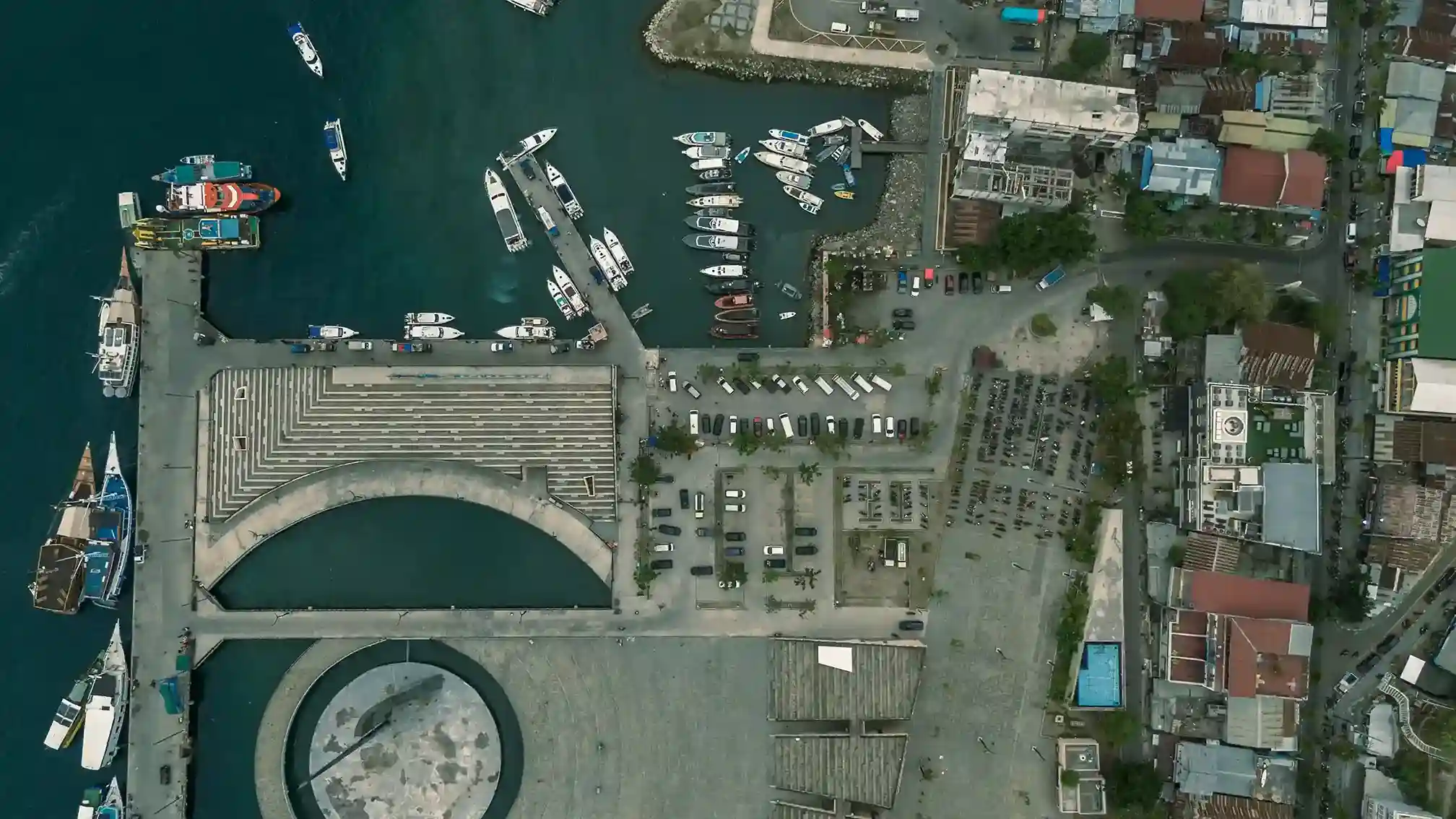
The Flores earthquake on August 15, 2026, briefly caused tourism activities in Labuan Bajo to adjust to the conditions on the ground. The M7.7 earthquake, centered near Mbay, Nagekeo, was also felt in Labuan Bajo and was followed by a tsunami early warning, prompting sailing activities and tourist movements to follow the applicable safety measures. So, what was the impact of the Flores earthquake on Labuan Bajo tourism, and what happened as activities gradually resumed?
Following evaluation and coordination, tourism activities in Labuan Bajo began moving again, including trips to several destinations within Komodo National Park. This article explores the Flores earthquake impact on Labuan Bajo tourism, covering sailing activities, the situation involving tourists, and how tourism destinations and activities in Labuan Bajo and Komodo developed after the earthquake.
Key Takeaways
- The M7.7 earthquake temporarily caused tourism activities in Labuan Bajo to adjust to safety measures and conditions on the ground.
- Tourist sailing trips were temporarily suspended, including trips to destinations within Komodo National Park.
- A total of 986 tourists were temporarily stranded on Padar Island before sailing access was reopened.
- Several tourism facilities and destinations underwent inspections, with conditions varying from one location to another.
- Labuan Bajo sailing trips are now operating normally following the necessary evaluation and coordination.
The Flores Earthquake and the Tsunami Early Warning
On Saturday, August 15, 2026, at 5:58 AM Central Indonesia Time (WITA), a tectonic earthquake struck Flores and surrounding areas. BMKG initially reported a magnitude of 7.0 before updating its analysis to M7.7. The earthquake occurred offshore, approximately 30 kilometers northeast of Mbay, Nagekeo Regency, East Nusa Tenggara.
Because of the earthquake’s magnitude and offshore location, BMKG issued a tsunami early warning for several potentially affected areas. This was particularly important for coastal areas, vessels at sea, and marine tourism destinations such as Labuan Bajo.
BMKG monitoring recorded changes in sea level at several locations. In Labuan Bajo, the recorded sea level change was around 0.36 meters, while other areas across Flores experienced different levels of sea level changes. Following further monitoring and evaluation, BMKG ended the tsunami early warning.
The Impact of the Flores Earthquake on Labuan Bajo Tourism
The impact of the earthquake on Labuan Bajo was not limited to the temporary suspension of sailing activities. It also affected tourist mobility, accommodation operations, facility inspections, and travel experiences at several destinations.
However, conditions in Labuan Bajo were not necessarily the same as those in other parts of Flores. Some locations experienced greater impacts, some underwent inspections, while others were able to resume activities following evaluation and guidance from the relevant authorities.
1. Tourist Sailing Activities Temporarily Adjusted Their Operations
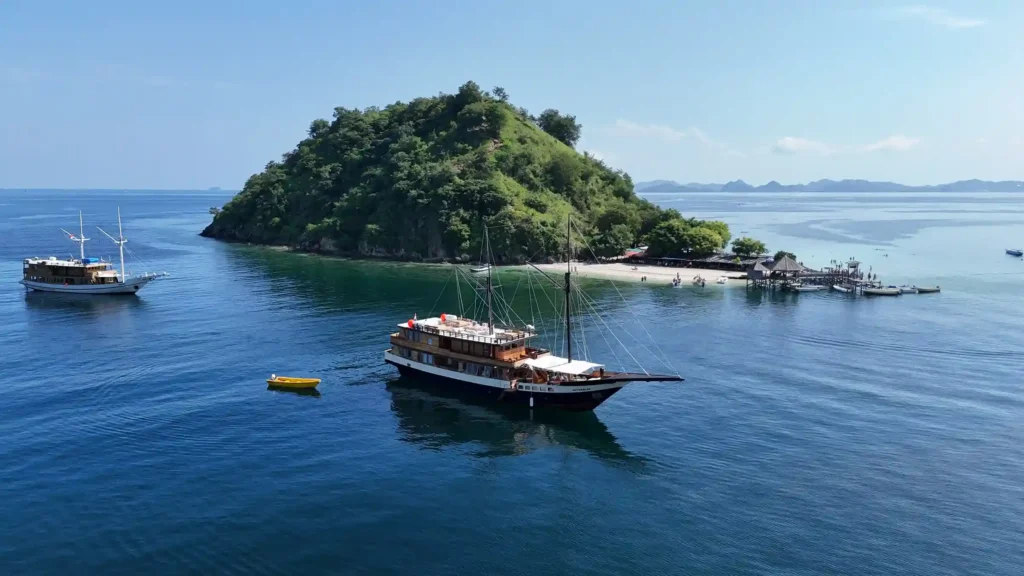
Sailing from Labuan Bajo to Komodo National Park was one of the tourism activities that had to quickly adjust to the situation. When the tsunami early warning was issued, tourist boats and other marine activities had to follow the applicable safety instructions.
These adjustments could affect departure times, route sequences, and temporary access to certain islands. For tourists, changes like these may have been inconvenient because they could alter their original travel plans. However, during an emergency situation, delaying or adjusting marine activities is part of responsible tourism operations.
Once the evaluation was completed and sailing access was reopened, sea travel from Labuan Bajo began operating again. Tourist boats resumed their journeys while continuing to follow safety procedures, sea conditions, and regulations set by the relevant authorities.
2. Tourists on Padar Island Had to Wait
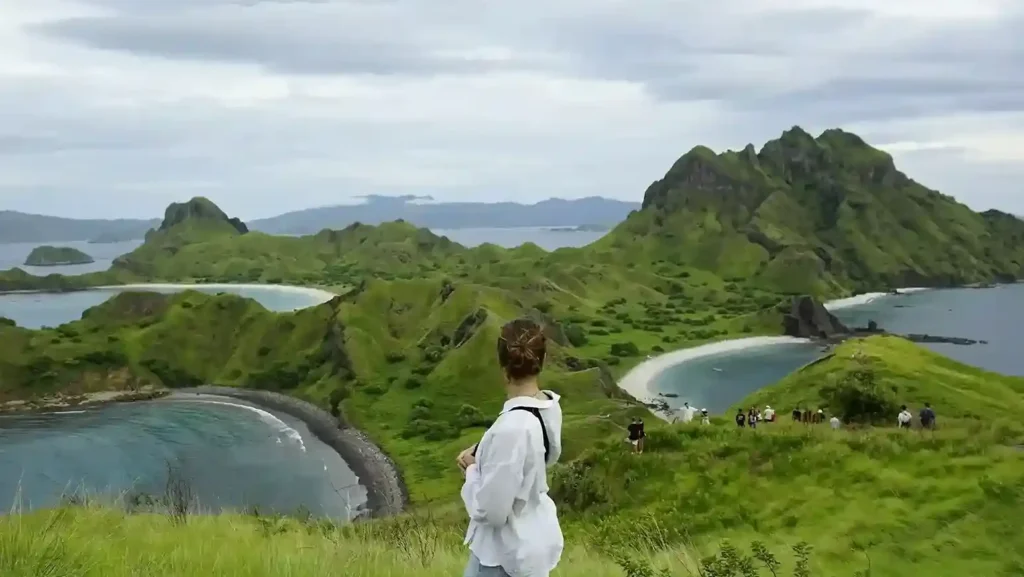
Padar Island is one of the destinations that is almost always included in a Komodo itinerary. Its hiking trail, distinctive bays, and views of the surrounding islands make it a popular stop for visitors.
When the earthquake occurred, Padar Island became one of the locations where tourists had to wait until sailing access could be reopened. A total of 986 tourists who were on Padar Island were eventually transported back to Labuan Bajo after sailing activities were allowed to resume.
The situation highlighted something that is often not visible in travel photos: marine destinations depend on a connected system. Boats, ports, crews, guides, communication, and decisions from authorities all play an equally important role alongside the destinations themselves.
3. Accommodation and Tourism Facilities Underwent Inspections
Following the earthquake, several buildings and tourism facilities in Labuan Bajo underwent inspections to assess their condition. Some accommodations were reported to have experienced physical damage, including cracks, damaged ceilings, and damage to certain parts of their structures.
Hotel Jayakarta was reported to have experienced more serious structural damage. Its guests were evacuated, and the hotel was temporarily closed for further assessment and handling. Meanwhile, conditions at other accommodations varied, with some continuing to operate or resuming operations after inspections.
For tourists who already have hotel reservations, this situation is a good reason to confirm directly with their accommodation before traveling. This is not about making your trip more complicated, but about making sure you have the latest information from the property where you will be staying.
4. Tourism Destinations Did Not All Resume Operations at the Same Pace
Post-earthquake conditions were not necessarily the same at every destination. Some tourism sites were able to welcome visitors again following evaluation, while several other destinations across Flores remained temporarily closed as a precaution.
Government reports stated that several destinations in the Komodo area, including Padar Island, Loh Liang, Loh Buaya, Gili Lawa, Kelor, and Batu Cermin, began operating again or reopened following evaluations. Meanwhile, several destinations across the wider Flores region were still undergoing safety verification or temporary closures.
For this reason, it would be inaccurate to assume that all destinations across Flores were in the same condition. Labuan Bajo and the Komodo area had their own operational status, while other destinations could face different recovery requirements.
Read more: The Best Month for Holidays in Labuan Bajo: Here’s the Recommended Time!
Things to Keep in Mind When Visiting Labuan Bajo After the Earthquake
If you are planning a trip to Labuan Bajo in the near future, you do not need to make your preparations overly complicated. A few simple things can be more useful:
- Check the latest information before your trip. Post-earthquake conditions can develop, so make sure you check updates from official sources.
- Confirm your sailing arrangements. Make sure your boat schedule and route match the latest operational conditions.
- Stay flexible with your itinerary. Sea travel can be adjusted according to weather, sea conditions, and safety instructions.
- Follow instructions from your crew and destination managers. If there are changes to routes or activities, follow the guidance provided.
- Do not rely on conditions at just one location. Conditions in Labuan Bajo, Padar Island, Komodo Island, and other destinations may differ.
- Use official information as your main reference. This is especially important for earthquake, tsunami, weather, and sailing updates.
By keeping these things in mind, you can plan your trip with greater confidence while understanding that destination conditions can change according to what is happening on the ground.
The Current State of Tourism in Labuan Bajo
Following the M7.7 earthquake on August 15, 2026, tourism activities in Labuan Bajo are now operating normally, including tourist sailing trips to Komodo National Park. Tourist boats have resumed operations from Labuan Bajo, allowing visitors to travel by sea to various destinations in the Komodo area in accordance with applicable operational regulations.
The return of sailing activities is one of the clearest signs that the rhythm of tourism in Labuan Bajo has returned to normal. So, if you are planning a Labuan Bajo sailing trip, sailing activities are currently operating normally, while each trip continues to follow sea conditions, weather, and the operational policies of the respective vessel.