Photography and Videography Etiquette in Komodo National Park: Essential Things You Need to Know!

Fitriyawati
December 22, 2025
10 min read
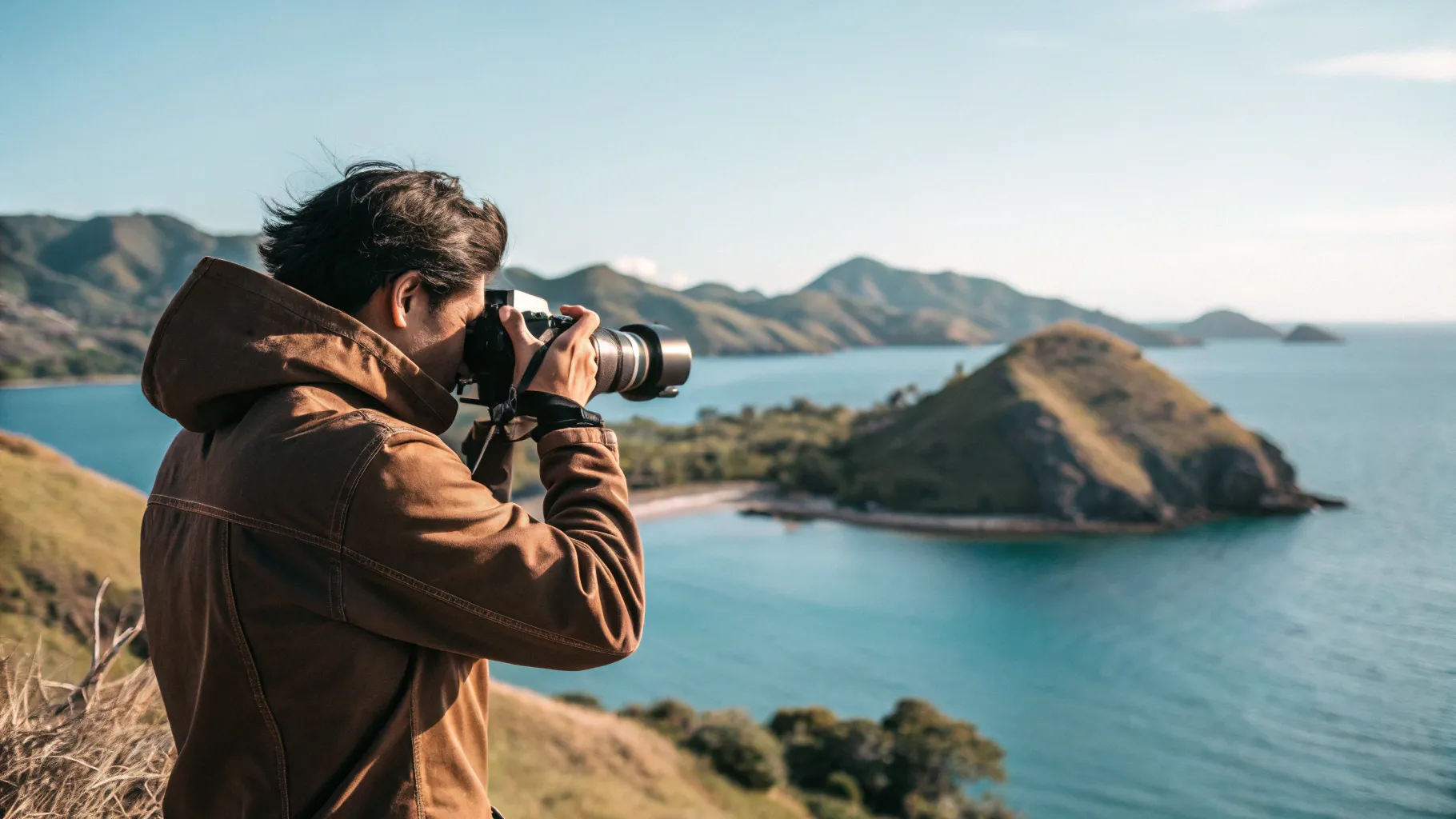
Komodo National Park is not only one of Indonesia’s top travel destinations, but also a world-class conservation area with strict regulations governing every activity within it, including photography and videography. Many visitors arrive with their best cameras, yet still lack a clear understanding of the boundaries and responsibilities involved when documenting a protected area.
So, are all moments in Komodo National Park free to be captured? In this article, you will learn about photography and videography etiquette in Komodo National Park, including how to document your journey safely without disturbing wildlife, the environment, or other visitors. You will also discover professional documentation solutions that comply with official regulations, ensuring responsible wildlife photography, nature videography, and responsible travel photography practices. Let’s read this article until the end!
Key Takeaways
- Photography and videography etiquette in Komodo National Park aims to protect wildlife, the environment, and visitor safety.
- Unethical documentation can endanger yourself and harm the conservation ecosystem.
- All photography and videography activities must follow ranger instructions and park regulations.
- The use of drones and commercial documentation requires official permits.
- Professional documentation helps ensure that your visual content is safe, legal, and responsible.
Why Knowing Photography and Videography Etiquette in Komodo National Park Is Crucial?
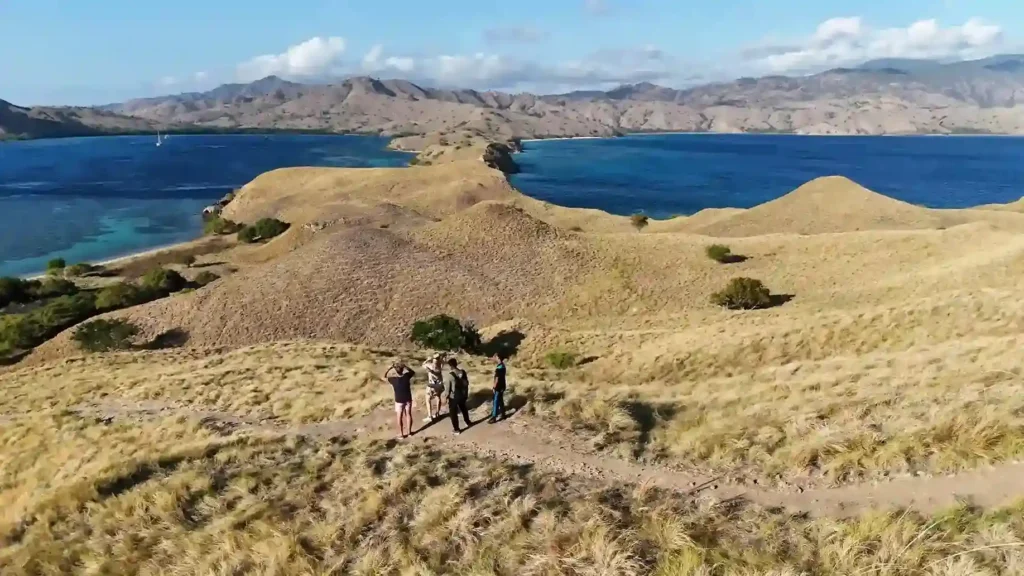
Understanding photography and videography etiquette in Komodo National Park is essential because this area is a legally protected conservation zone. Documentation activities must be conducted in ways that do not damage the environment or disturb wildlife. By learning the etiquette from the start, you can enjoy your visit responsibly. Besides preserving nature, following proper documentation practices also helps minimize safety risks when you are near Komodo dragons. Adhering to park rules and ranger instructions ensures a safer and more comfortable journey. This way, your travel moments can be captured without compromising both safety and the sustainability of the ecosystem.
What Are the Photography and Videography Etiquette in Komodo National Park?
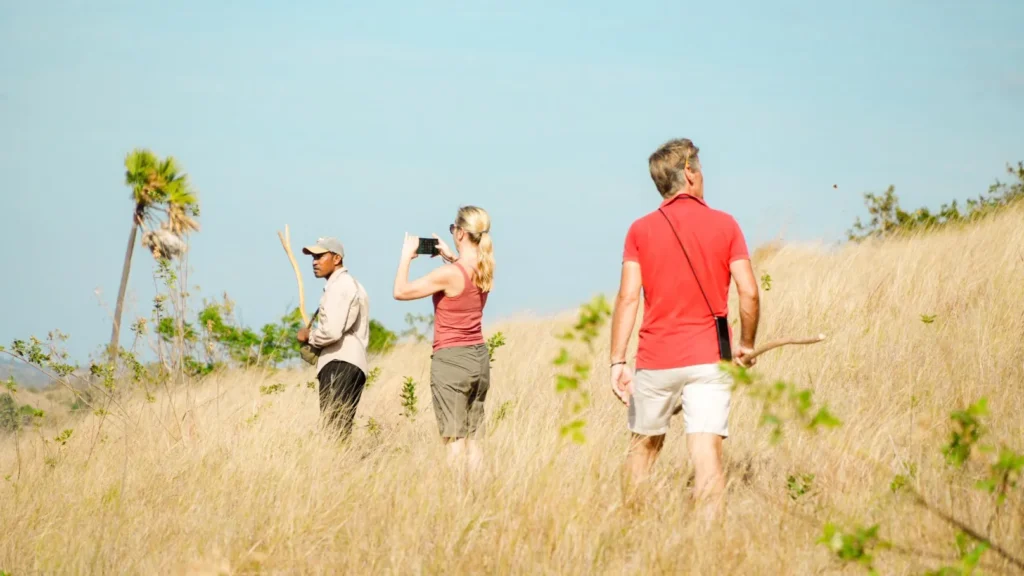
Photography and videography etiquette in Komodo National Park involves a set of rules and behaviors that must be applied when capturing images in the area. The main principle is to document without disturbing, without damaging, and without endangering anyone. Here are several etiquette practices you can follow to ensure your travel documentation remains safe, comfortable, and responsible:
Maintaining a Safe Distance from Komodo Dragons
Keeping a safe distance from komodo dragons is a fundamental principle in wildlife documentation at Komodo National Park. You must understand that komodos are natural predators with quick responses to movements or stimuli around them. Approaching them directly can endanger your safety and disturb the animals. As a solution, use a zoom or telephoto lens so you can capture clear images without getting too close. This approach allows for safe documentation while respecting the komodos’ living space.
Avoid Disturbing Natural Wildlife Behavior
Avoiding disturbance to natural wildlife behavior means letting komodos and other creatures carry out their activities without human interference. You should avoid making noises, sudden movements, or provoking reactions from animals to get a particular shot. Ethical documentation focuses on capturing natural moments rather than staged situations. This way, your content appears more authentic and valuable in the long term. Additionally, wildlife remains safe, and stress is minimized.
Always Follow Ranger Instructions
Following ranger instructions is a non-negotiable requirement when visiting Komodo National Park. Pay attention to guidance regarding safe zones, shooting distances, and the best times for documentation. Rangers have in-depth knowledge of animal behavior and terrain conditions, making their instructions vital for safety. By following their directions, you can enjoy your journey without the risk of injury or conflicts with wildlife. Compliance also reflects responsible eco-tourism practices.
Avoid Excessive Use of Flash
Avoiding excessive flash use is part of wildlife photography etiquette that you must understand. Sudden flashes can startle or panic animals, affecting their natural behavior. It is recommended to adjust your camera settings to the ambient light and make the most of natural light. This approach is safer for wildlife and results in more natural-looking photos and videos. Your documentation experience remains both comfortable and professional.
Do Not Obstruct Tourist Paths
Not obstructing tourist paths means respecting shared spaces in Komodo National Park. When taking photos or videos, ensure your position does not interfere with other visitors enjoying the location. You can wait your turn or choose angles that are safe and free from tourist traffic. By giving sufficient space and time, the visitor experience remains pleasant and orderly. This approach also ensures your documentation does not disturb others.
Do Not Damage the Surrounding Environment
Avoiding damage to the surrounding environment is a basic principle that must be followed when documenting nature. Do not step on vegetation, move rocks, or alter natural elements for a visual composition. Even small disturbances can significantly impact ecosystem balance. Instead, use official trails and approved shooting points. This ensures your documentation is safe for nature while maintaining visual quality.
Read more: 10 Common Mistakes Made When Taking Photos on Padar Island You Should Avoid
Respect Restricted Areas and No-Entry Zones
Respecting restricted areas and no-entry zones means you must not enter or document prohibited locations. The park authorities have marked certain areas for safety or wildlife conservation reasons. You must follow these signs and boundaries to avoid endangering yourself or the animals. Compliance also demonstrates your awareness of environmental protection. By respecting these zones, your documentation remains ethical and safe.
Use Drones Only with Official Permits
Using drones in Komodo National Park is allowed only with official permits from the authorities. Drones can disturb wildlife and other visitors if used recklessly, making the permitting process essential. You must apply through the SIMAKSI system, providing all necessary supporting documents for Unmanned Aerial Vehicle Operations (PUKTA). By meeting all requirements, drone pilots can operate within approved flight paths and times. This ensures aerial documentation is safe, legal, and high-quality without violating regulations.
Do Not Touch Wildlife or Marine Life
Not touching wildlife or marine life is crucial to maintaining ecosystem balance. Keep your distance while snorkeling, diving, or on land to avoid stressing animals or damaging coral reefs. Documentation should be done from a safe distance without direct contact. This way, you can capture interesting moments without disturbing the environment. This etiquette guarantees both your safety and ecosystem sustainability.
Prioritize Safety Over Content
Prioritizing safety over content means you should not pursue risky photo or video angles. Consider terrain conditions, wildlife behavior, and injury risks before taking shots. This approach makes documentation safer and more professional. By placing safety above visual results, your journey remains enjoyable and orderly. Moreover, the captured moments become more valuable because they were obtained ethically and safely.
Read more: Ultimate Guide to Trip Documentation in Labuan Bajo 2026
Tips for Capturing Moments Ethically and Safely in Komodo
To ensure that every documentation activity in Komodo National Park runs smoothly and responsibly, there are several practical steps you can follow. By applying the tips below, your travel moments can be captured without disturbing wildlife, the environment, or other visitors. Here are some tips you can put into practice when visiting Komodo National Park:
- Understand the Rules and Safe Zones in Komodo National Park
Before you start documenting, you need to understand the park’s regulations and the areas that are accessible. This ensures that every moment you capture is safe for wildlife, the environment, and other visitors. - Use Appropriate Equipment
Choose lenses or cameras that allow you to shoot from a safe distance without disturbing the animals. This helps maintain safety while producing clear and natural documentation. - Make the Most of Natural Light
Relying on natural light reduces disturbance to wildlife and makes your photos or videos appear more authentic. You can adjust compositions and angles to get the best lighting without overusing flash. - Avoid Staging Wildlife Moments
Let the animals behave naturally without being provoked or disturbed for a specific shot. This approach ensures your documentation remains ethical and accurately reflects the natural environment. - Use Professional Documentation Services
Experienced professionals, such as Labuan Bajo Productions, understand photography and videography etiquette in Komodo National Park, ensuring that the documentation process is safe and orderly. By hiring professional services, you can focus on enjoying your trip, while every valuable moment is captured professionally, ethically, and in compliance with park regulations.
Let’s Capture Moments Safely in Komodo National Park with Labuan Bajo Productions!
Photography and videography etiquette in Komodo National Park requires you to always maintain distance, respect wildlife, and follow the applicable rules. Every moment you capture must consider the safety of yourself, the animals, and the surrounding environment, including when using drones or shooting in restricted zones. By understanding and applying these principles, your documentation will not only look professional but also remain ethical and responsible.
However, given the complexity of the rules and the importance of safety, working with professionals is the best solution. Experienced professionals, such as Labuan Bajo Productions, are fully knowledgeable about documentation etiquette in Komodo National Park and the necessary permitting procedures. Our team ensures that every photo and video shoot is conducted safely, in compliance with regulations, and aesthetically pleasing, allowing you to enjoy your trip without worry.
By using our professional documentation services, you gain not only high-quality visual results but also a more relaxed and enjoyable travel experience. So, don’t hesitate to book the Labuan Bajo Trip Documentation Package with Labuan Bajo Productions today, ensuring that every moment of your journey is captured safely, ethically, and professionally.

FAQs About Photography and Videography Etiquette in Komodo National Park
Can all moments in Komodo National Park be freely recorded?
Not all moments can be freely recorded because Komodo National Park is a conservation area with strict regulations. You must follow ranger instructions and respect permitted zones to ensure the safety of wildlife and other visitors. Ethical documentation helps maintain ecosystem balance while keeping your trip safe.
Why is it important to follow ranger instructions when taking photos or videos?
Ranger instructions are crucial because they understand wildlife behavior and terrain conditions in Komodo National Park. By following their guidance, you can document moments without risking injury or disturbing animals. Compliance also reflects responsible eco-tourism practices.
Is it allowed to use flash or drones while documenting?
Flash use should be limited to avoid disturbing wildlife, while drones are allowed only with official permits. You need to apply through the SIMAKSI system and provide supporting documents for PUKTA. This ensures your documentation remains safe, legal, and compliant with park regulations.
How can wildlife be documented ethically?
Ethical documentation means maintaining a safe distance, not disturbing natural wildlife behavior, and avoiding staged moments for photos or videos. You should also avoid touching animals or marine life and always prioritize safety over content. This approach ensures the captured moments are engaging and safe for everyone.
Is it recommended to use professional services?
Yes, hiring professional documentation services is highly recommended, especially for those seeking optimal results without handling technical and permitting tasks. Experienced professionals, such as Labuan Bajo Productions, fully understand photography and videography etiquette in Komodo National Park, ensuring the process is safe, orderly, and regulation-compliant. You can focus on enjoying your trip while every moment is captured professionally and ethically.
Related Article
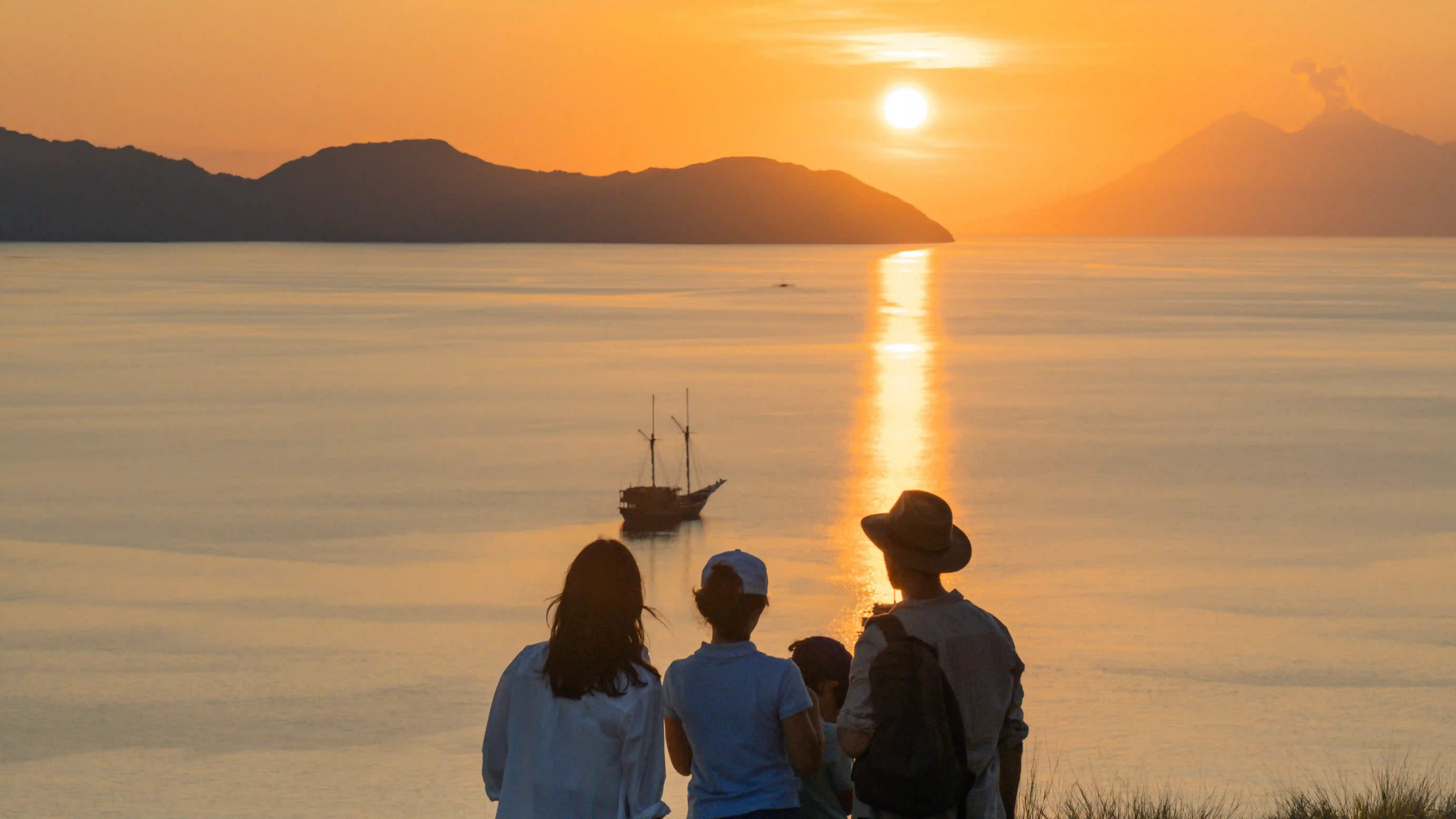
Looking for 3 Days 2 Nights Documentation Services in Labuan Bajo? Here Are the Tips, Pricing & Recommendations!
Have you ever felt that your 3 days 2 nights
Have you ever felt that your 3 days 2 nights trip documentation in Labuan Bajo didn’t fully capture the experience
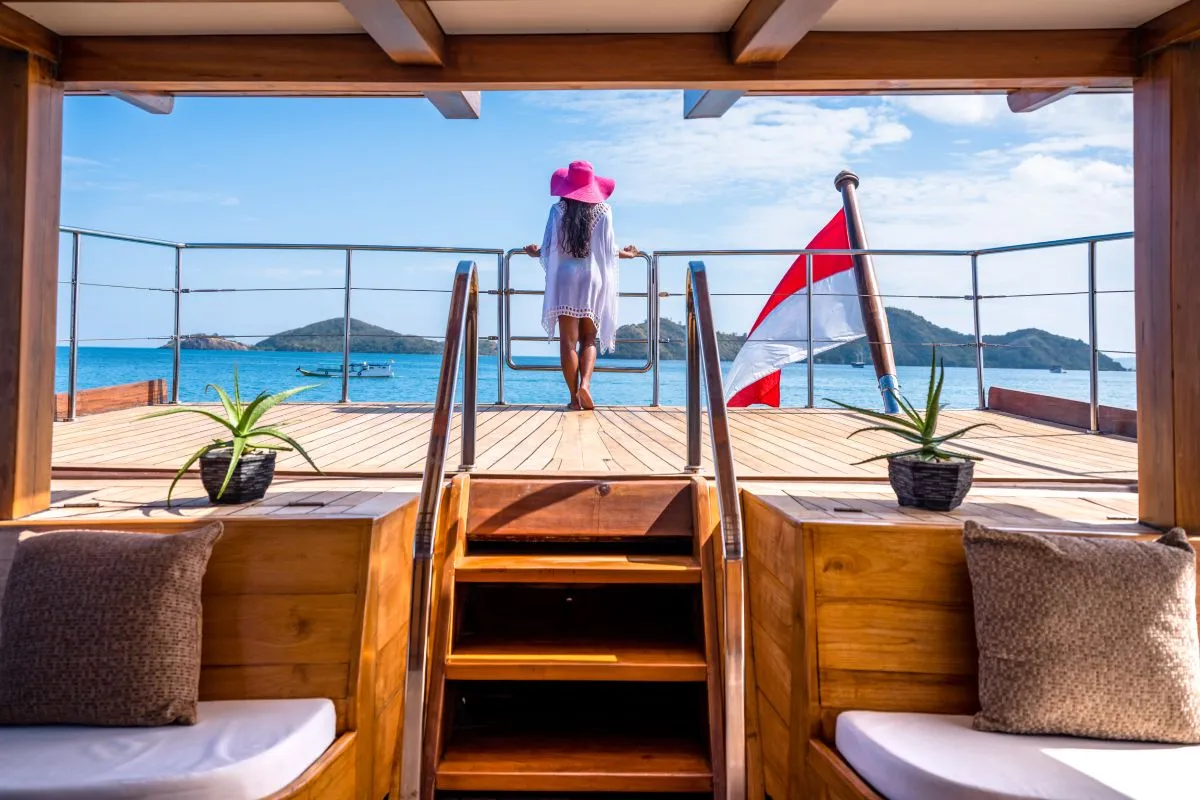
Looking for Documentation for Private Charter Labuan Bajo? Here Are the Tips, Pricing & Recommendations!
Many people choose a private charter in Labuan Bajo because
Many people choose a private charter in Labuan Bajo because they want to enjoy a more private, flexible, and comfortable
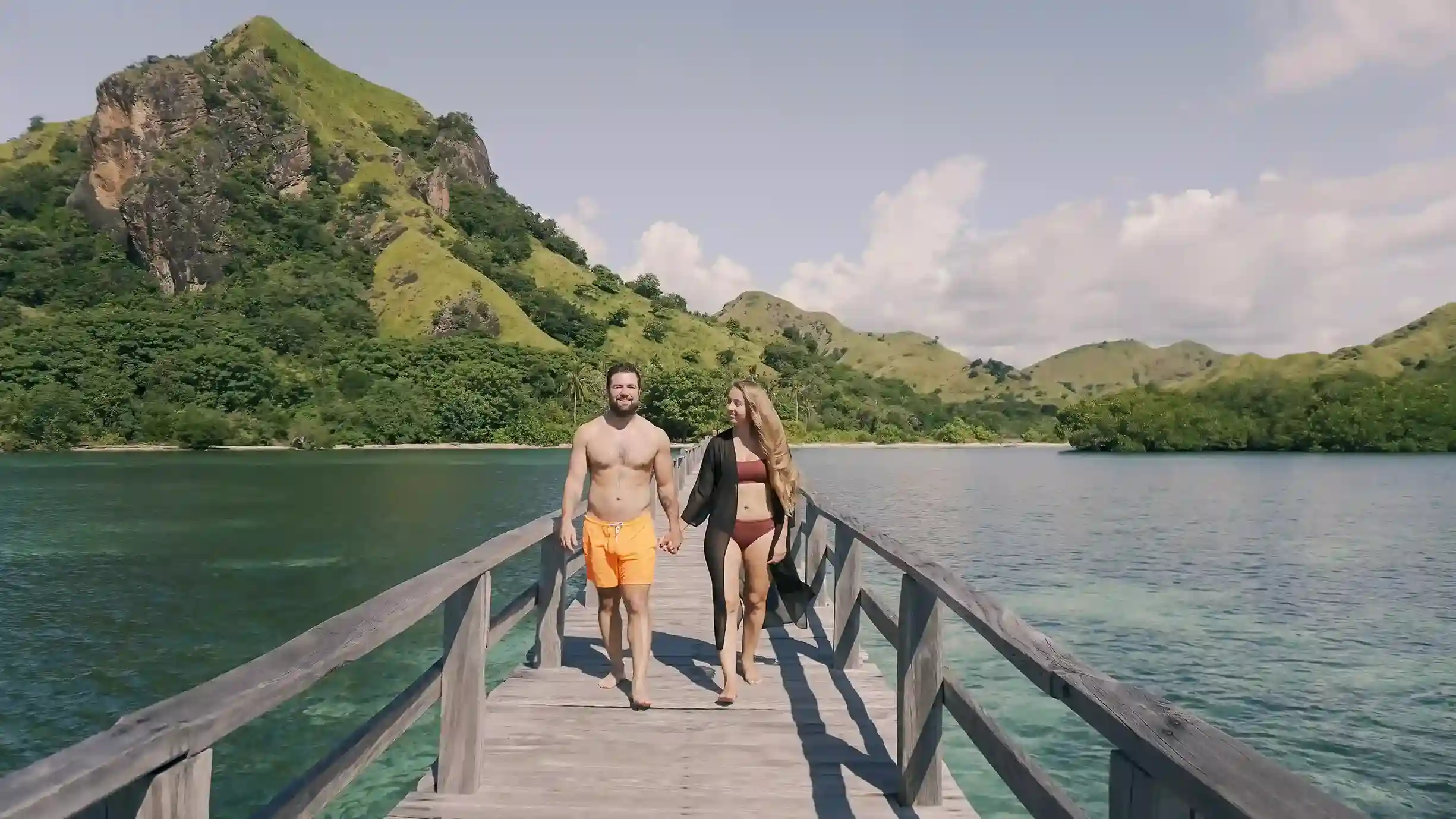
Looking for Honeymoon Documentation in Labuan Bajo? Here Are the Tips, Pricing & Recommendations!
Many couples choose Labuan Bajo as a honeymoon destination because
Many couples choose Labuan Bajo as a honeymoon destination because of its private atmosphere, unique island hopping experiences, and wide