
6 Tips for Taking Landscape Photos in Extreme Weather in Labuan Bajo

Fitriyawati
February 22, 2026
8 min read
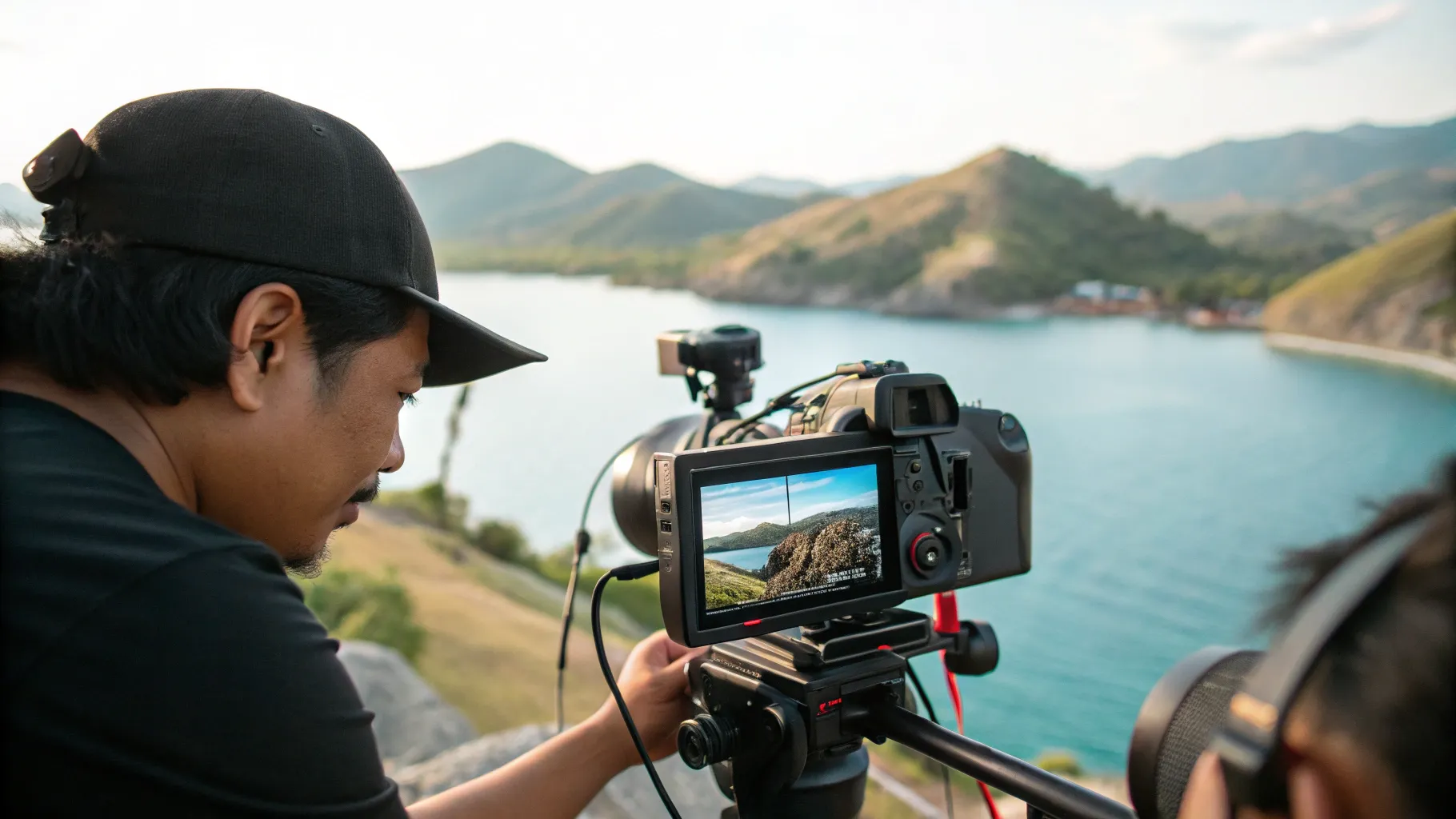
Labuan Bajo always has its own charm, especially for those of you who love landscape photography. However, the natural conditions here are not always friendly. Strong winds, sudden rain, thick fog, and scorching sun can be serious challenges when hunting for shots. So, what are the tips for taking landscape photos in extreme weather in Labuan Bajo to keep the results optimal and safe? This article will discuss it completely, specifically for those of you who are currently or planning to vacation in Labuan Bajo.
Key Takeaways
- Labuan Bajo is indeed a paradise for those of you who love landscape photography, but its natural conditions can change quickly, making equipment preparation very important to keep photo sessions running smoothly.
- Adjusting camera settings correctly, such as manual mode, ISO, and shutter speed, helps you capture details even when the light changes drastically, keeping your photos sharp and balanced.
- Using a tripod or support and utilizing flat surfaces maintains camera stability, especially during strong winds that can make handheld shots blurry.
- Filters like polarizers or ND help control light and reflections, while taking multiple frames at once increases the chances of getting the best shot in a short moment of weather change.
- If you want to focus on enjoying your vacation without technical stress, consider professional documentation services that are accustomed to extreme weather and ensure your vacation moments are fully captured.
What Is Extreme Weather Like in Labuan Bajo?
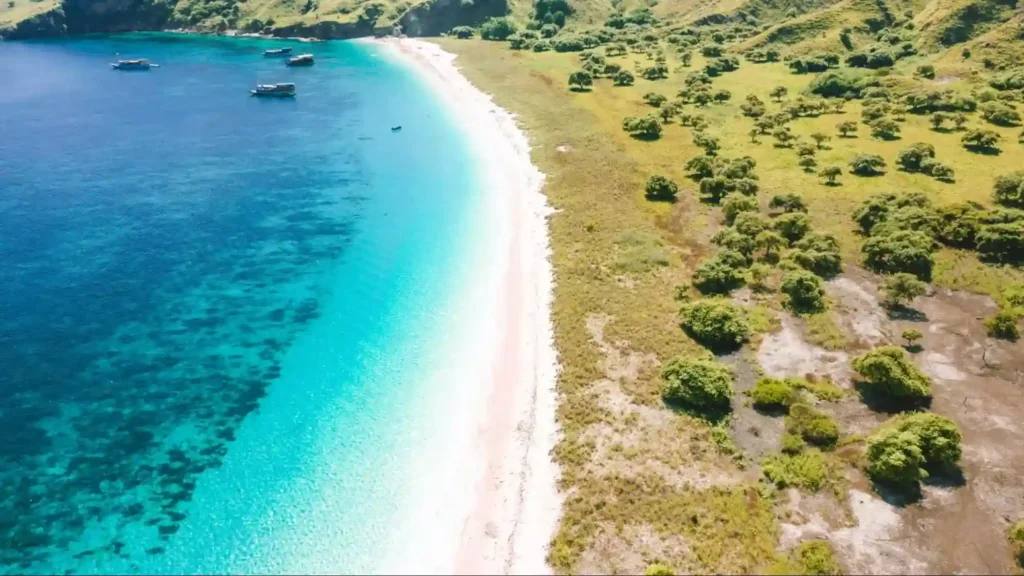
Extreme weather in Labuan Bajo can change and occur quickly, so you always need to be ready to face unexpected conditions when hunting for landscape photos. During the dry season, the sun feels very scorching and sea winds can blow quite strongly, while in the rainy season, high rainfall is often accompanied by dark skies and thin fog that limits visibility. Additionally, in a single day, you might experience a bright morning that suddenly turns cloudy or even heavy rain in the afternoon. That is why the weather dynamics here require you to be more sensitive to reading changes in the sky and wind direction before starting to shoot. By understanding this pattern from the start, you are not only technically more prepared but also can adjust strategies according to field conditions.
What Are the Tips for Taking Landscape Photos in Extreme Weather in Labuan Bajo?
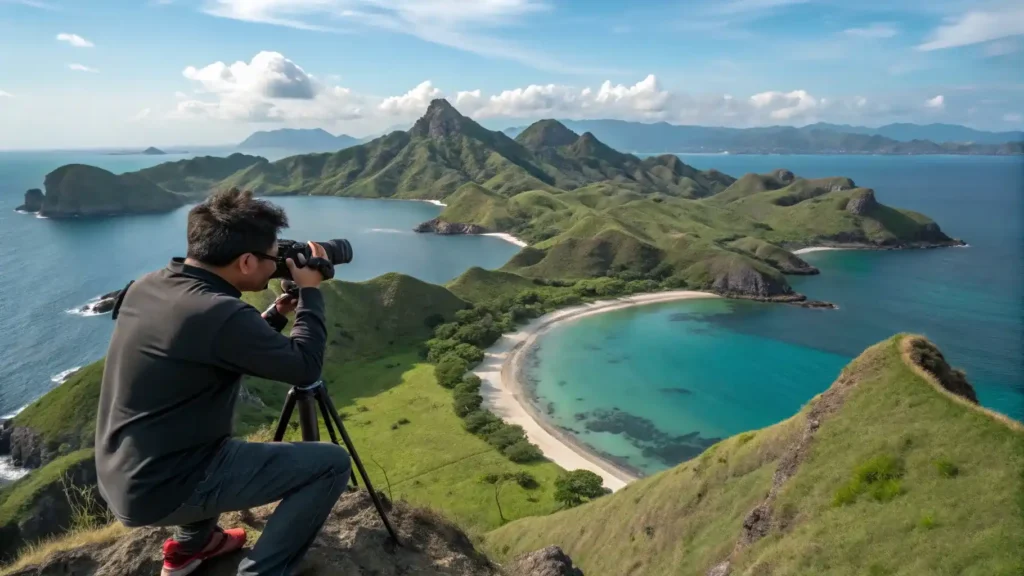
If you are on vacation in Labuan Bajo and still want to have cool landscape photos even when the weather is not friendly, you can still manage it with the right strategy. Even if you come as a tourist, not a professional photographer, understanding some basic techniques will be very helpful so that your photo results remain optimal and safe. Here are some tips you can apply so your vacation moments are fully documented during extreme weather in Labuan Bajo:
1. Use Equipment Ready for Extreme Weather
When you vacation in Labuan Bajo and the weather suddenly changes, the equipment you bring must be reliable so that photo sessions continue smoothly. Without proper preparation, sudden rain or strong winds can disrupt or even damage your devices. Therefore, before starting your landscape hunt, make sure your equipment is ready for unpredictable conditions. Here are important pieces of equipment you should prepare during extreme weather:
- Camera or smartphone with basic protection against water and dust
Devices with splash or dust-resistant features are safer to use in drizzle or when wind carries beach sand. This way, you don’t have to worry too much when conditions start to change. - Rain cover or camera protector
A simple rain cover can be a lifesaver when rain suddenly falls. Besides protecting the camera body, this accessory also allows you to keep shooting without having to quickly store your device. - Microfiber cloth and dry towel
Sea spray, water droplets, or sand particles can stick to the lens and affect photo results. With a microfiber cloth, you can quickly clean the lens without leaving scratches. - Waterproof camera bag
Bags made of water-resistant material keep your devices safe while moving locations in less friendly weather. This is especially important if you move spots using a boat or walk in open areas.
2. Adjust Camera Settings to Stay Stable in Non-Ideal Conditions
During extreme weather, light changes can be very fast, so you need to quickly adjust camera settings. If not, photos can be too dark or too bright in the same moment. Correct settings help maintain visible details even when the sky is unstable. Here are some settings you should pay attention to:
- Use manual mode or aperture priority
This mode gives greater control over exposure when light changes quickly. - Adjust ISO gradually
When the sky is cloudy, raising the ISO slightly helps keep photos bright without sacrificing details. - Monitor the histogram
The histogram helps ensure highlights and shadows do not lose important details. - Use a sufficiently fast shutter speed in strong winds
This prevents images from blurring due to vibrations or moving subjects.
3. Use a Tripod or Support During Strong Winds
Strong sea winds can make it difficult for your hands to stay steady, especially if you shoot with slow shutter speeds. Therefore, using a tripod or additional support greatly helps maintain photo sharpness. Stability becomes an important factor when the surrounding conditions are unfriendly. Here are solutions you can use:
- Use a sturdy tripod
A tripod helps reduce vibrations when the wind blows strongly. - Add weight to the tripod
If possible, hang a bag on the middle part of the tripod for more stability. - Use flat surfaces as support
Large rocks or fences can be alternatives if you don’t bring a tripod. - Enable stabilizer features on cameras or smartphones
This helps reduce the effect of small shakes when shooting handheld.
Read more: The Best Month for Holidays in Labuan Bajo: Here’s the Recommended Time!
4. Use Filters to Control Light and Reflections
Filters are an important tool when facing extreme light in beach or hill areas. With the right filter, you can control reflections and light intensity without having to change too many camera settings. Here are filters you can use:
- Polarizer filter
Reduces light reflections on water and emphasizes sky colors. - ND (Neutral Density) filter
Allows slower shutter speeds even when the light is bright enough. - Graduated ND
Helps balance the difference in light between the sky and land. - Use as needed, don’t overdo it
Make sure filters are used according to conditions to keep results natural.
5. Take Multiple Frames at Once to Avoid Missed Focus
Extreme weather often makes surrounding objects move quickly, whether clouds, waves, or plants. Therefore, taking multiple frames in one moment increases the chances of getting the best results. This technique is simple but very effective. Here are the benefits:
- Choose the sharpest frame during selection
You can compare several results and choose the most stable one. - Capture variations in light expression
Changes in light within seconds can produce different moods. - Reduce the risk of blurry photos
If one frame fails, you still have backups. - Provide more options during editing
More options mean greater flexibility during post-processing.
6. Consider Using Professional Documentation Services
Even though you already understand the tips for taking landscape photos in extreme weather in Labuan Bajo, practice in the field can still feel complicated, especially if you come for a relaxed vacation. In such situations, using local professional documentation services like Labuan Bajo Productions can be a practical and efficient solution. Our professional team is accustomed to local weather changes and knows the best times to capture shots. Here are the benefits you can get:
- Experienced photographers in extreme weather
Professional photographers usually understand the character of wind, rain, and light in Labuan Bajo. - Complete equipment ready for difficult conditions
Professional gear is safer to use in unstable weather. - You can focus on enjoying your vacation
Without worrying about technical settings, you still get quality documentation. - More consistent and curated photo results
With proper techniques and editing, your vacation moments are fully captured.
Read more: What Are the Labuan Bajo Trip Documentation Package Types? Find Out Here!
Capture Moments During Extreme Weather with Labuan Bajo Productions!
As you have read before, understanding the tips for taking landscape photos in extreme weather in Labuan Bajo is indeed key to keeping results optimal. From preparing weather-resistant equipment, setting the camera correctly, using a tripod in strong winds, using filters to control light, to taking multiple frames at once to avoid missed focus, all play an important role in unstable natural conditions. Additionally, you also need to be sensitive to changes in the sky and prioritize safety while shooting. With this combination of strategies, the chance of getting strong landscape photos remains open even when the weather is less friendly.
However, rather than bothering to handle technical documentation during vacation, it’s better to rely on experienced local professional documentation services, such as Labuan Bajo Productions. Our team consists of experienced photographers who understand the weather character in Labuan Bajo, use professional equipment ready for extreme conditions, and have a curated editing workflow so the photo results remain consistent and high-quality. This way, you can focus on enjoying your trip without worrying about technical aspects of shooting.
So, don’t hesitate to contact our team now and book your Labuan Bajo trip documentation package so every moment is fully captured!

Related Article
How to Take Slow-Motion Video of Komodo Dragons Walking? Find Out Here!
You’ve traveled all the way to Labuan Bajo hoping to
You’ve traveled all the way to Labuan Bajo hoping to capture the rare moment of seeing a Komodo dragon walking

9 The Best Spots for Open Trip Group Photos in Labuan Bajo
If you join an open trip to Labuan Bajo, the
If you join an open trip to Labuan Bajo, the most anticipated moment, besides sailing and island hopping, is usually
8 Hijab Photo Outfit Recommendations for Women in Labuan Bajo
Have you ever felt confused about what outfit to wear
Have you ever felt confused about what outfit to wear on a trip to Labuan Bajo, especially if you wear