10 Tips for Taking Photos in Harsh Sunlight in Labuan Bajo to Avoid Overexposure

Labuan Bajo Productions Editorial Desk
August 27, 2026
12 min read
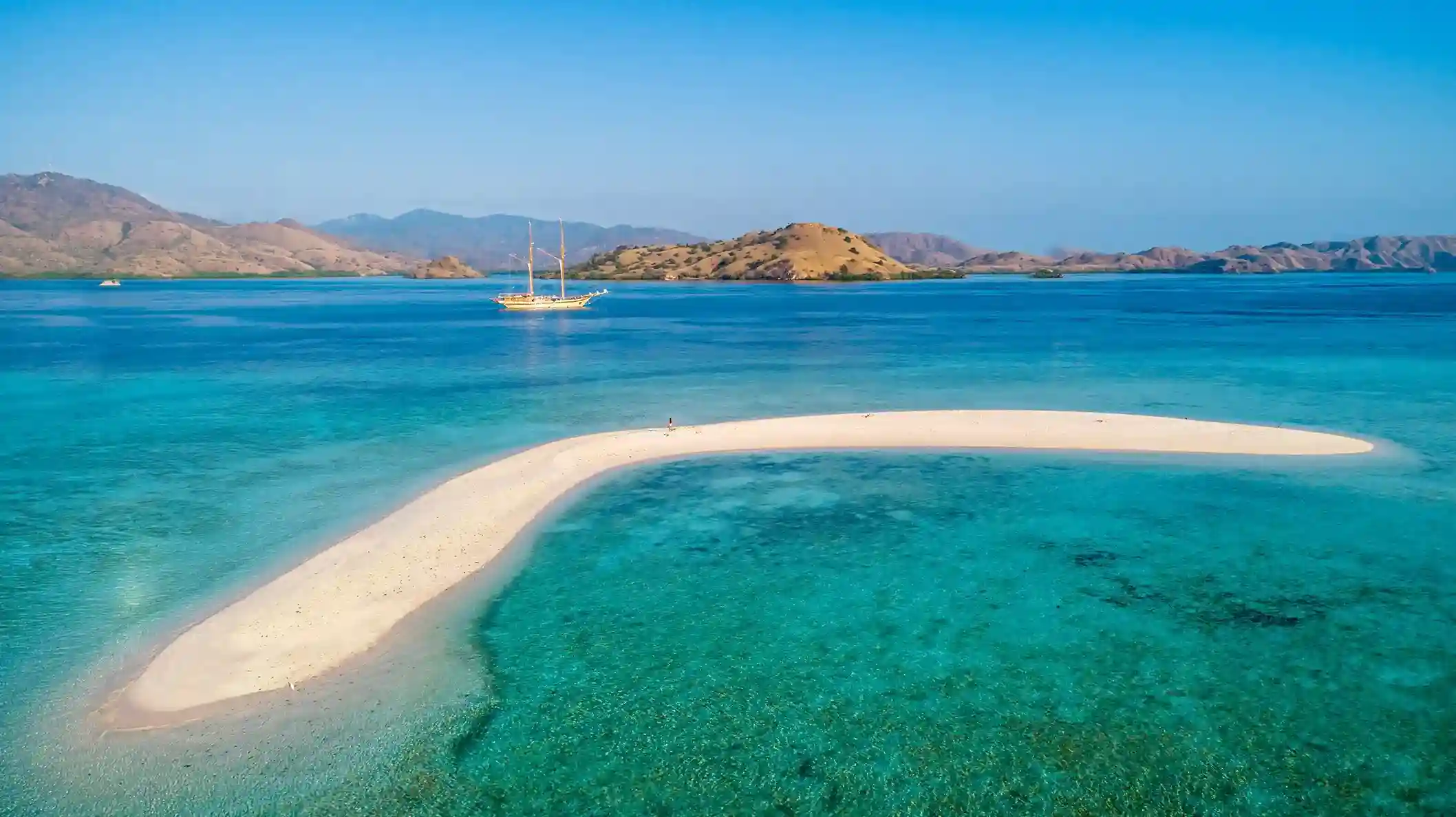
The daytime in Labuan Bajo is often associated with strong sunlight, especially when you are on a boat, at the beach, or in an open area with little shade. This can be quite challenging when taking photos because harsh light can make faces look dark, cause the sky to lose its details, or make the color of the sea look too bright. At the same time, many moments during a trip actually happen during the day, so you still want to get great photos without having to wait until the sun becomes less intense.
So, how can you take photos in harsh sunlight in Labuan Bajo while keeping your photos looking natural and preserving important details? This article will cover tips for taking photos in harsh sunlight in Labuan Bajo, as well as how professional documentation can help capture your trip moments without requiring you to constantly adjust your camera yourself.
Key Takeaways
- Tips for taking photos in harsh sunlight in Labuan Bajo start with paying attention to the direction of the sun and positioning your subject so the light falls more evenly on their face.
- Next, adjust the exposure and use a low ISO to help preserve details in the sky, sea, and subject when the sunlight is very strong.
- When you are on a phinisi, you can also make use of backlight, reflections on the sea, and boat elements such as railings and the deck to create a more intentional photo composition.
- Since a trip also involves heat, seawater, sand, and dust, make sure your lens stays clean and avoid exposing your camera to direct sunlight for too long.
- If you want to stay focused on enjoying your trip without constantly adjusting your camera, trip documentation with Labuan Bajo Productions can help capture your moments while adapting the photography approach to the conditions at each location.
Why Can Taking Photos During the Day in Labuan Bajo Be More Challenging?
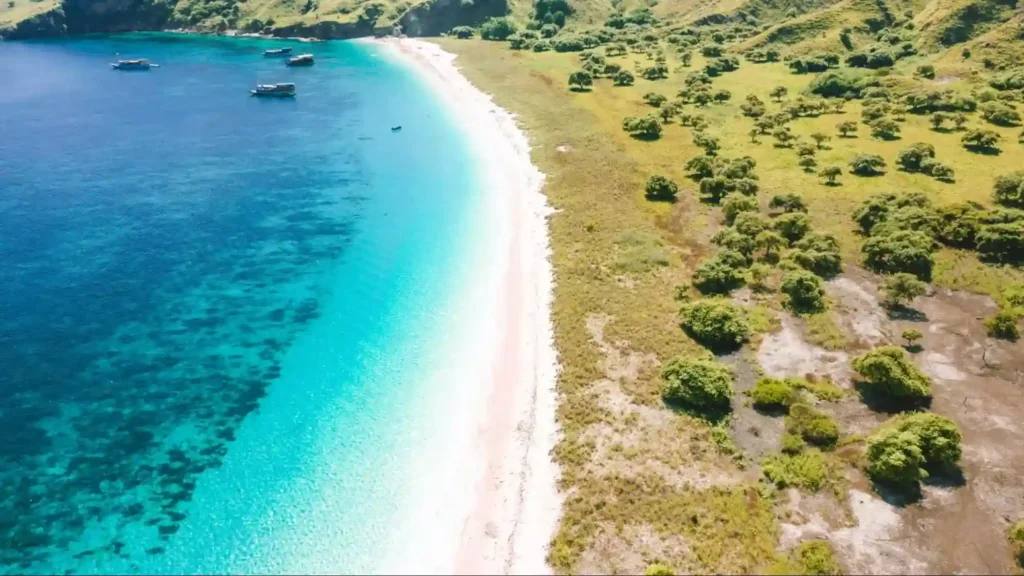
Taking photos during the day in Labuan Bajo can be more challenging because strong sunlight and reflections from the sea can create an extreme difference between bright and dark areas within the same frame. For example, when you take a photo of a friend on a boat with the sea and sky in the background, their face may look darker while the sky and surface of the water appear much brighter. This can also happen in open areas such as hills or beaches, where limited shade allows direct sunlight to hit the subject and create harsh shadows.
Besides light intensity, the position of the sun also affects how your camera captures outdoor photography in Labuan Bajo. Sunlight reflecting off the sea can create strong highlights, while areas of the boat, cliffs, or parts of the body that fall into shadow may have very different light levels. That is why you need to pay more attention to the direction of the sun, your subject’s position, and exposure before taking a photo so the details in the sea, sky, and face remain balanced.
Tips for Taking Photos in Harsh Sunlight in Labuan Bajo
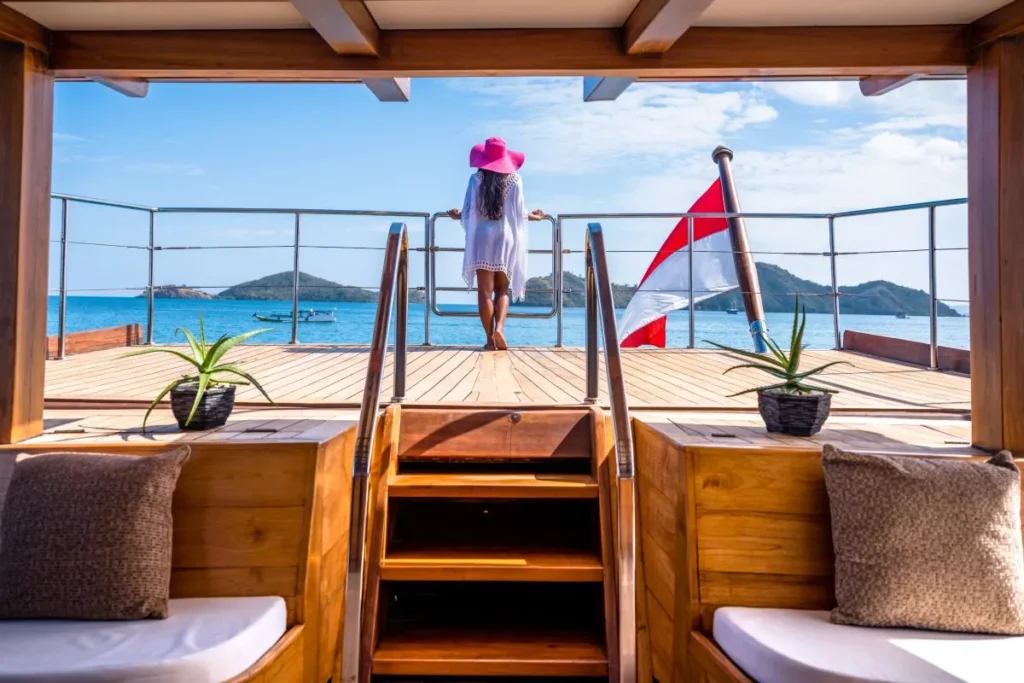
Taking photos in harsh sunlight in Labuan Bajo can still produce great results as long as you adjust your position, the direction of the light, and the exposure according to the conditions at the location. Here are some tips for taking photos in harsh sunlight in Labuan Bajo that you can apply while on a boat, at the beach, or at other outdoor spots to keep your trip photos looking natural and detailed.
1. Pay Attention to the Direction of the Sun Before Taking a Photo
Paying attention to the direction of the sun before taking a photo can help you determine the right position when photographing in Labuan Bajo during the day. When you are on a phinisi, for example, having the sun in front of, beside, or behind your subject can create very different results for both the face and the background.
If direct sunlight falls onto the face, shadows around the eyes and nose can become more noticeable, while the sea or sky in the background may appear much brighter. So, before taking the photo, check where the sun is and adjust your angle by a few steps if necessary. This simple adjustment can help create more balanced lighting without making you rely too heavily on editing.
2. Choose a Position with More Even Lighting
Choosing a position with more even lighting can help reduce harsh shadows on the face when taking portraits in Labuan Bajo under strong sunlight. This is quite common when travelers take photos on a phinisi deck, at the beach, or in open spots with little shade.
Try paying attention to the following:
- Avoid placing your subject directly under the sun when the light is too strong.
- Use the side of the boat or part of the deck that provides some protection from direct sunlight.
- Do not place your subject directly on the boundary between a bright area and a shadow.
- If you are at the beach, try finding a position where the light comes more evenly from the side or front.
You do not necessarily need to find a completely shaded area. Simply reducing direct exposure to strong sunlight can already help make the face look more natural.
3. Adjust the Exposure So the Sky and Sea Are Not Overexposed
Adjusting the exposure helps preserve details in the Labuan Bajo sky and sea when the midday sunlight is very strong. This is especially noticeable when photographing a friend against an open sea background because the camera has to capture a relatively darker face while also capturing the sky and water receiving a lot of light.
If you are using a smartphone, tap the face area on the screen and adjust the exposure slider if the result is still too bright. Meanwhile, camera users can adjust the shutter speed, aperture, and ISO according to the shooting conditions. Pay particular attention to areas of the sky and sea that are starting to lose detail because they appear too white. Slightly reducing the exposure can help preserve those details, making the photo more flexible to correct during editing.
4. Use a Low ISO When the Light Is Very Bright
Using a low ISO is suitable for daytime photography in Labuan Bajo because there is usually already plenty of available light. This means you do not need to increase the ISO just to make your photo brighter, especially when photographing landscapes or activities on a boat. If you are using a camera, you can start with ISO 100 or 200, then adjust the other settings according to the lighting conditions.
- Keep the ISO low as long as the exposure is sufficient.
- Adjust the shutter speed if the photo is still too bright.
- Use the aperture according to the needs of the photo.
- Check the result on your camera screen to make sure the details of the face and background are still visible.
Besides helping control exposure, a low ISO can also help keep noise to a minimum in photos taken in bright lighting conditions.
5. Use Backlight for Photos on the Boat
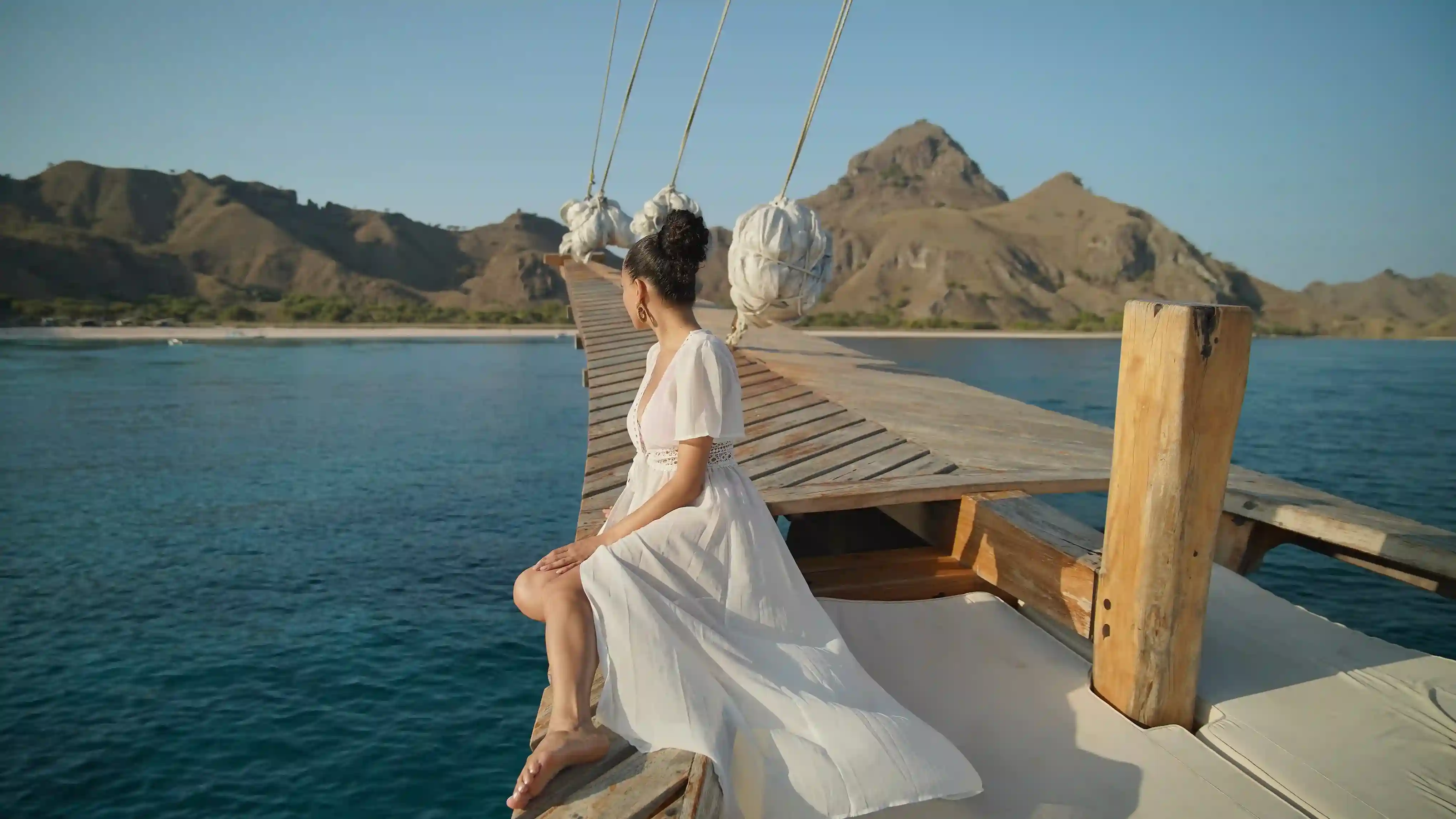
Using backlight can be a good option when you want to take photos on a Labuan Bajo phinisi with the sun behind your subject. This technique allows the sunlight to become part of the composition, especially when photographing someone with the sea or a group of islands in the background.
Try positioning your friend with their back toward the sun, then use the scenery behind them as part of the frame. The backlight can create highlights around the edges of their hair or body, but you still need to pay attention to the face so it does not become too dark. If you are using a smartphone, tap the face area and adjust the exposure until the facial details are still visible. For a more natural result, avoid increasing the exposure too much because the sky and sea behind the subject may lose their details.
6. Pay Attention to Reflections on the Surface of the Sea
Paying attention to reflections on the sea is important when photographing the waters of Labuan Bajo because sunlight hitting the water can create extremely bright areas within the same frame. This effect can be especially noticeable when taking photos from a boat with a large area of sea in the background. If the reflection makes your photo look too bright, try changing your camera angle or standing position before taking the picture. You can compare several angles to see which position produces more controlled reflections.
Try these adjustments:
- Move a few steps if possible.
- Slightly change the camera angle toward the surface of the water.
- Reduce the amount of sea affected by direct reflections if it distracts from the subject.
- Use the reflection as part of the composition if it adds texture to the photo.
This way, you are not only trying to avoid the light reflected from the sea, but can also use it as part of your travel photo.
7. Use Boat Elements to Improve Your Composition
Using elements of the boat can help make your composition on a Labuan Bajo phinisi more intentional when taking photos during the day. Instead of always asking your friend to stand in the middle of the deck with the sea as the background, try including parts of the boat in the frame.
Railings, stairs, ropes, windows, or parts of the deck can be used as foreground elements or leading lines. For example, you can position your friend near the railing so the lines of the boat guide attention toward the subject, while the sea and islands remain visible in the background. Besides creating more layers in the composition, this approach also makes the photo feel more representative of your experience during your Labuan Bajo trip.
8. Clean Your Lens and Protect Your Camera from Heat
Cleaning your lens and protecting your camera from heat are important during a Labuan Bajo trip, especially when your equipment is being used for hours in an outdoor environment. On a phinisi, for example, your camera may be exposed to direct sunlight while on the deck, while moving between the boat and the beach also puts your equipment at risk of exposure to seawater splashes, sand, or dust.
Before taking photos:
- Check the lens surface for fingerprints and dust.
- Use a microfiber cloth to clean it.
- Check for seawater splashes after being near the water.
When the camera is not in use:
- Store the device in a shaded place.
- Avoid leaving it for too long on a part of the boat that is exposed to direct sunlight.
- If the device feels too hot, stop using it temporarily and allow its temperature to drop before using it again.
These simple steps can help keep your equipment ready to use throughout your trip.
9. Adjust Highlights and Shadows Moderately
Adjusting highlights and shadows can help balance daytime photos in Labuan Bajo where there is a significant difference between bright and dark areas. Editing should be used to bring back details that are difficult to see rather than changing the overall appearance of the photo.
| Problem in the Photo | Adjustment You Can Try |
| Sky or sea is too white | Lower the highlights |
| Face is too dark | Raise the shadows moderately |
| Entire photo is too bright | Reduce the exposure |
| Colors are too yellow or blue | Adjust the white balance |
Avoid increasing saturation too much just to make the sea look bluer. The colors of the sea, sky, and islands in Labuan Bajo should remain natural so the photo still feels consistent with the actual conditions when you were there.
10. Use Professional Documentation Services
Using professional photography services in Labuan Bajo can be an option when you want to enjoy your trip without having to constantly adjust your camera while dealing with changing lighting conditions. You may already understand how to adjust exposure, choose a subject position, or use backlight, but applying all of these techniques yourself is not always practical while your itinerary is underway.
While enjoying the journey on a phinisi, moving between different spots, trekking, or spending time with friends and family, you can focus on the activities without constantly thinking about who will take the photos. Labuan Bajo Productions can help capture your travel moments by adjusting the angle, subject position, and shooting approach to the conditions at each location. This way, you can still get quality Labuan Bajo trip documentation without making your camera the main focus of your vacation.
Read more: 10 Tips for Taking Photos During the Rainy Season in Labuan Bajo to Capture Your Holiday Moments
Capture Your Best Trip Moments Under the Harsh Sunlight in Labuan Bajo with Labuan Bajo Productions
The tips above can help you get better photos when taking pictures in harsh sunlight in Labuan Bajo, from paying attention to the direction of the sun and choosing your subject’s position to adjusting exposure and ISO, as well as using backlight, sea reflections, and phinisi elements as part of your composition. You also need to protect your camera from heat, seawater, sand, and dust, then make moderate editing adjustments so the details of the sky, sea, and face remain natural. However, when moving between different spots, enjoying the journey on a phinisi, or taking part in trip activities, applying every technique yourself can make you miss moments that should simply be enjoyed.
That is why it can be more practical to leave your Labuan Bajo trip documentation to professionals such as Labuan Bajo Productions. With a team that understands shooting conditions across different locations in Labuan Bajo, we can help adjust the angle, subject position, and photography techniques according to the lighting conditions on location, allowing you to enjoy your trip without constantly worrying about your camera. Contact our team to discuss your documentation needs and book a Labuan Bajo trip documentation package, so your travel moments can be properly captured, including when most of your activities take place under the strong midday sun.