7 Camera Angle Techniques You Need to Know for Stunning Documentation

Labuan Bajo Productions Editorial Desk
October 28, 2026
8 min read
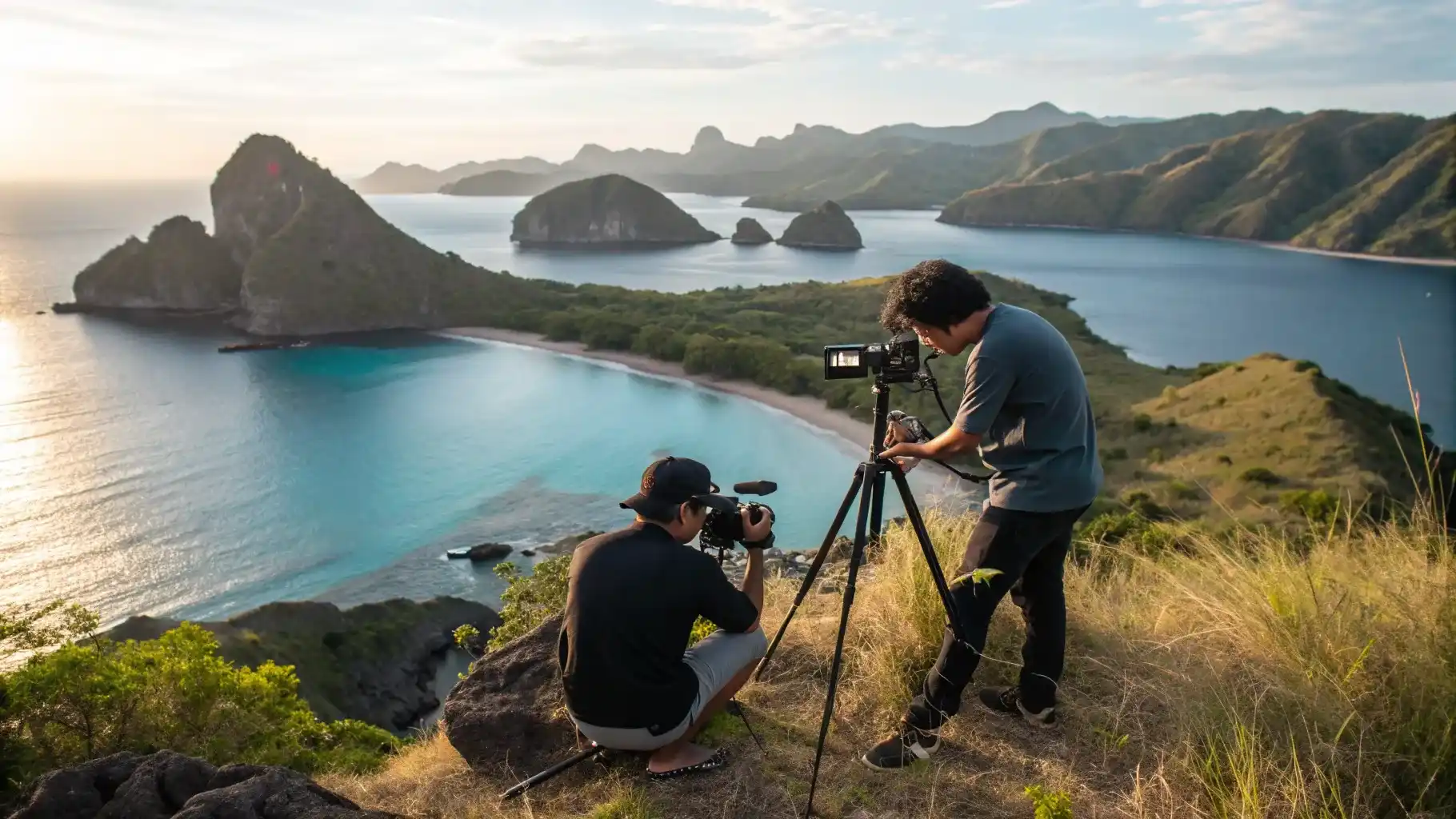
Have you ever seen a photo or video that instantly pulled you into the moment? It feels as if you were right there, even though you’re only looking at a screen. Well, one of the secrets behind that effect lies in how the camera chooses its perspective, or in other words, the camera angle techniques.
In this article, you’ll get a closer look at what camera angles are all about, from the basic definition, why they matter, to the different types often used to create specific impressions. So, if you’re curious about how to make your photos or videos come alive, keep reading until the end!
Key Takeaways
- Camera angles describe the camera’s position and direction relative to the subject, not how large the subject appears in the frame.
- Eye-level, high-angle, and low-angle shots can create different impressions depending on the context of the scene.
- A bird’s-eye view or overhead shot shows the subject from above and does not require a drone.
- Over-the-shoulder is a framing technique that can be combined with different camera angles and shot sizes.
- Angle choices should support the story, lighting, composition, and shooting conditions rather than simply add variety.
What Are Camera Angle Techniques?
Simply put, camera angle techniques are the perspectives used by a camera when filming or photographing a subject. This angle plays a huge role in determining how the audience sees and feels the atmosphere within the frame. By choosing different shooting angles, you can completely change the message and visual meaning you want to deliver.
For example, when you shoot from above, the subject might appear smaller or more fragile. On the other hand, if you shoot from below, the very same subject can appear strong and authoritative. So, a camera angle is not just about technical positioning, it’s a visual language used to build stronger storytelling.
Why Are Camera Angle Techniques Important?
You might be wondering, why can the choice of angle make a photo or video feel so different? The answer is that every camera shot influences how viewers perceive the subject. Through a certain angle, you can highlight emotions, create a dramatic effect, or even give a new meaning to a moment.
When the right angle is chosen, the documentation looks more impactful and carries a strong sense of visual storytelling. But if chosen carelessly, the result can feel flat and lose its appeal. That’s why, in both photography and professional videography, mastering camera angle techniques is one of the key elements to bringing visual stories to life.
Types of Camera Angle Techniques
Before you start practicing, it’s good to know some of the most common cinematography techniques used in photography and videography. Each angle has its own unique character and can be applied depending on the documentation needs. Let’s go through them one by one!
1. Eye Level
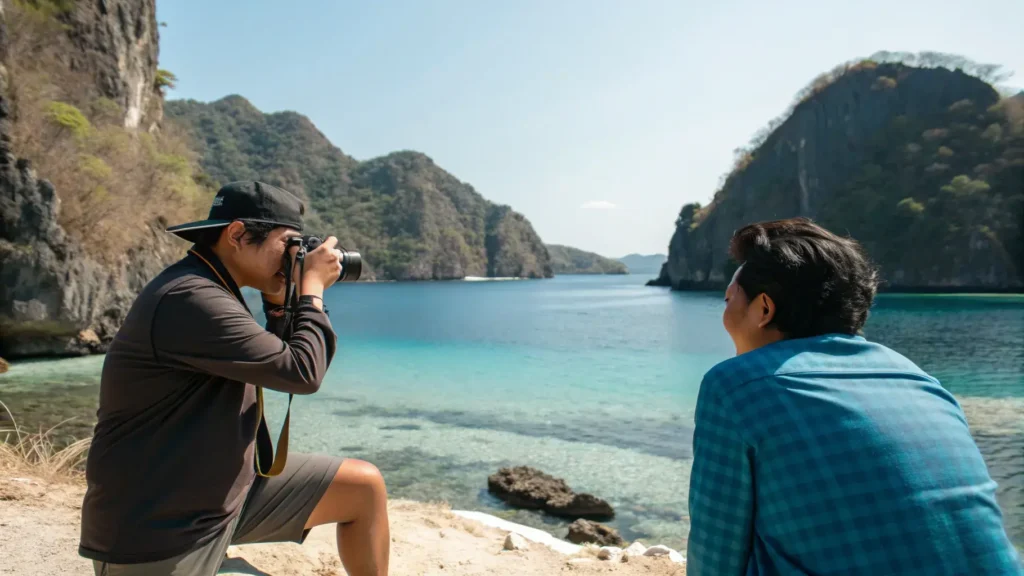
Eye level is a camera angle that aligns with the subject’s eyes, resulting in a natural and easy-to-understand perspective. With this angle, the audience feels as if they’re seeing the subject from the same viewpoint as in daily life. Because it gives a neutral impression, this shot is often used to create a sense of familiarity and comfort. You can use it to show simple interactions clearly and directly. Typically, it’s applied in interviews, portraits, or event documentation that aims to feel approachable to the audience.
2. High Angle
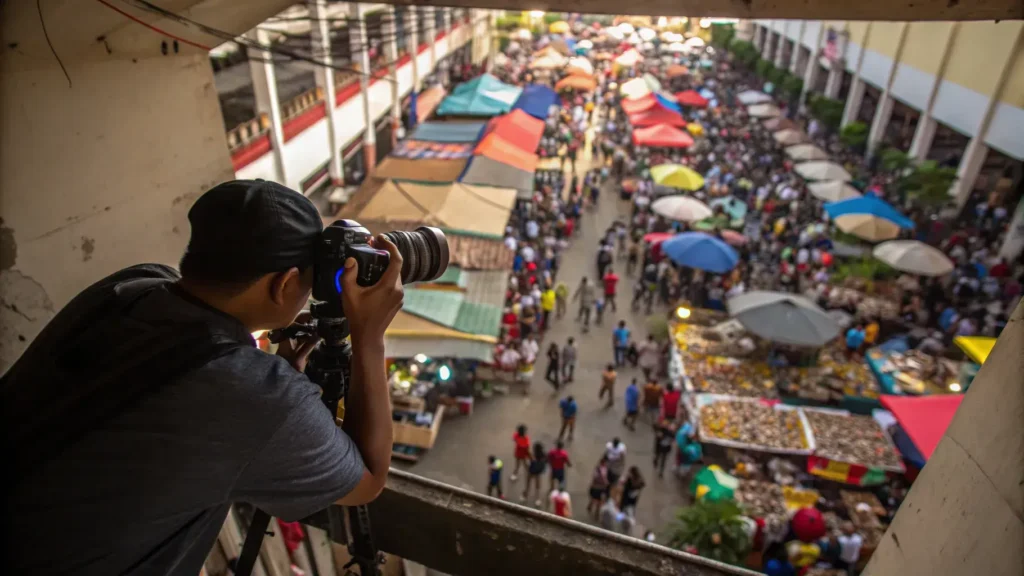
The high angle is achieved by placing the camera above the subject and pointing it downward. With this shot, the subject appears smaller, weaker, or less powerful compared to their surroundings. If you want to show a crowd or a busy scene from above, this technique is an excellent choice. It’s also commonly used to capture a wider setting or location. The result gives a dramatic impression while emphasizing the grand scale of a moment.
3. Low Angle
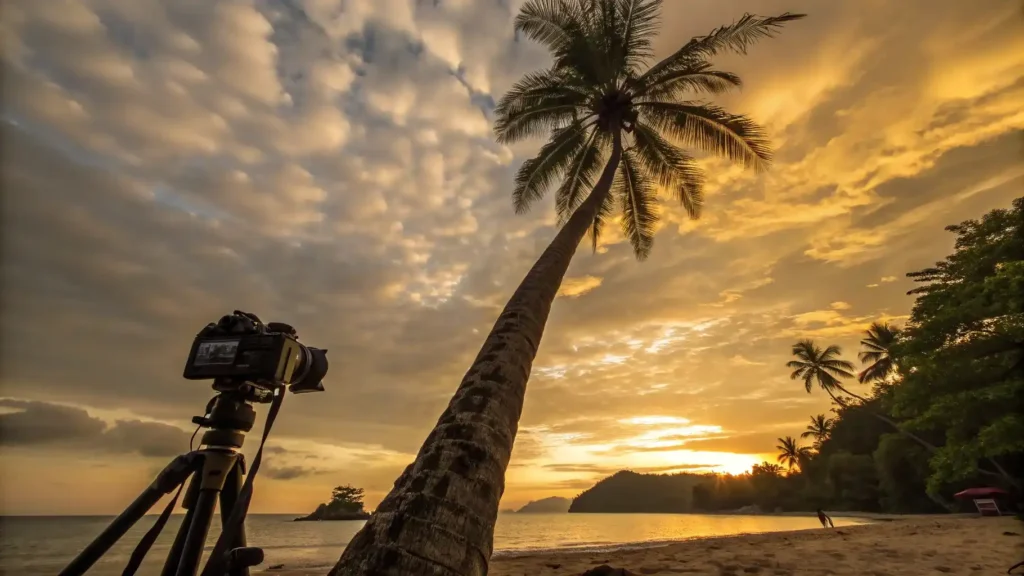
The opposite of the high angle, the low angle places the camera below the subject, aiming upward. With this approach, you can make the subject look larger, dominant, and authoritative. This technique works well when you want to highlight an important figure or showcase iconic architecture with a majestic feel. Since it creates a dramatic effect, low angles are often used in documentation to emphasize strength or grandeur. If you want results that instantly grab attention, this is a must-try shot.
4. Bird’s Eye View
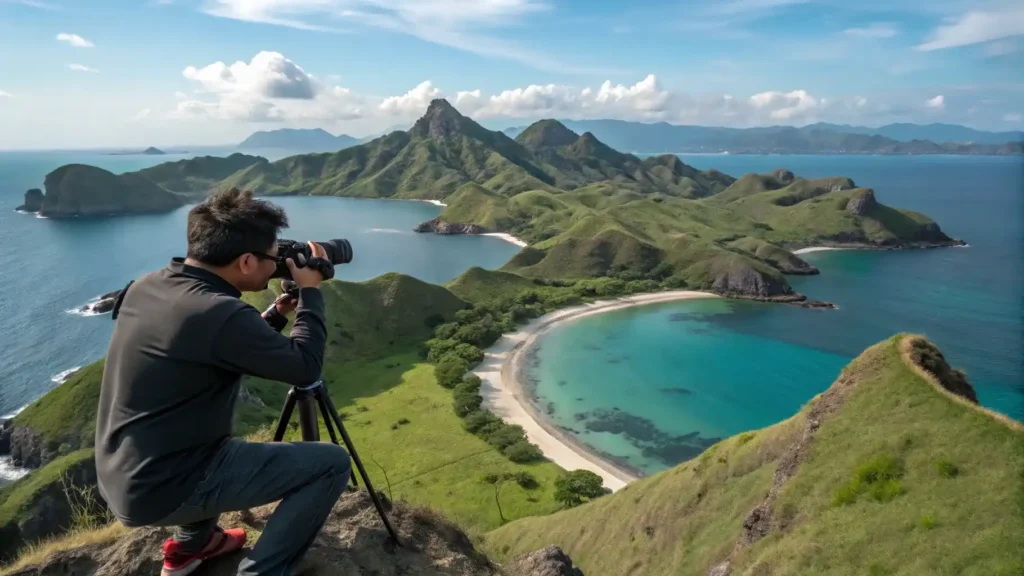
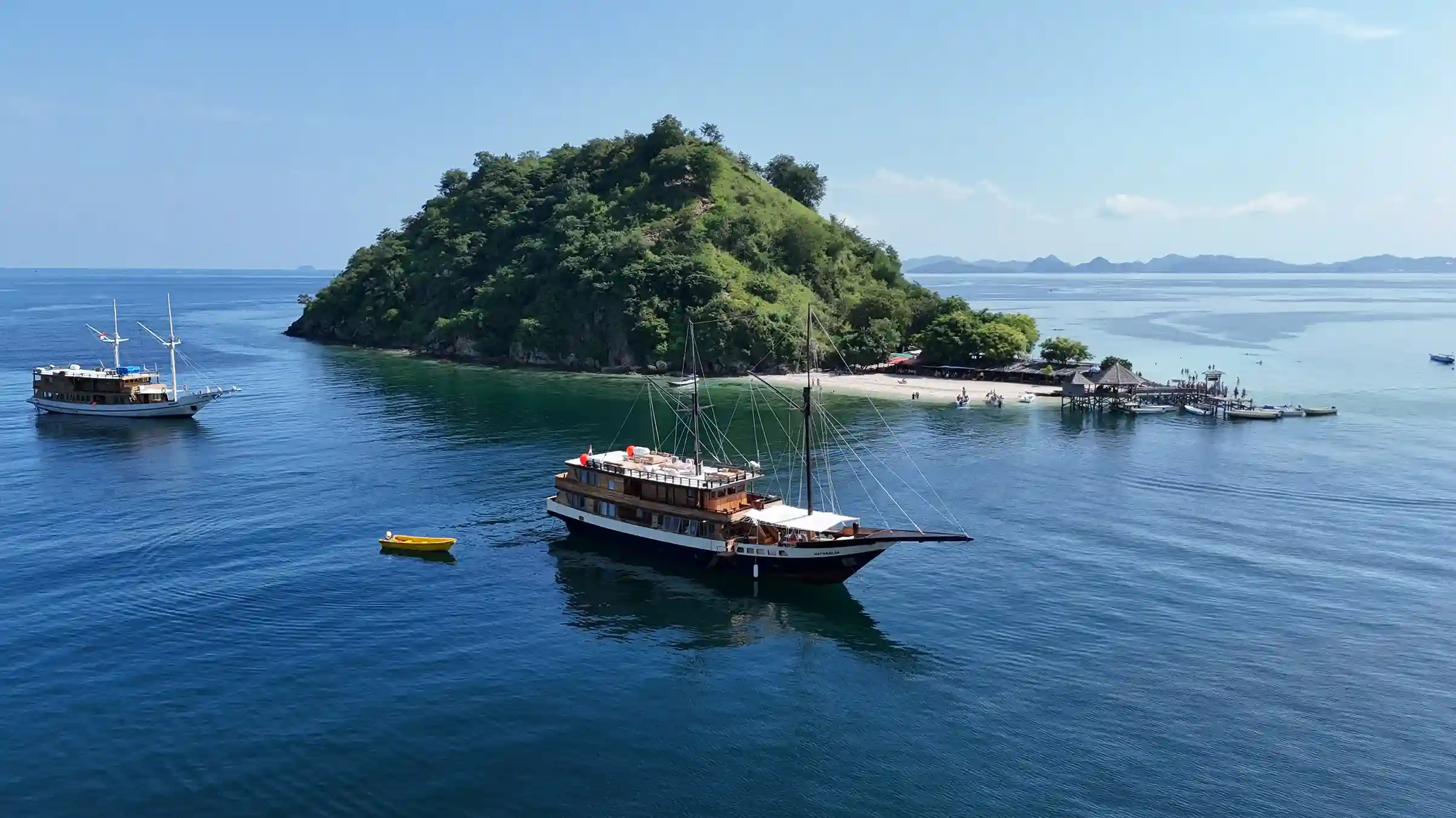
The bird’s eye view is taken from an extreme height, often using a drone. With this perspective, you can showcase a wide panorama that’s hard to capture with regular angles. It makes viewers feel as though they’re seeing the world through the eyes of a soaring bird. This technique is perfect for capturing natural landscapes or large-scale events. With this perspective, your documentation will look epic, cinematic, and full of detail.
5. Frog Eye Angle
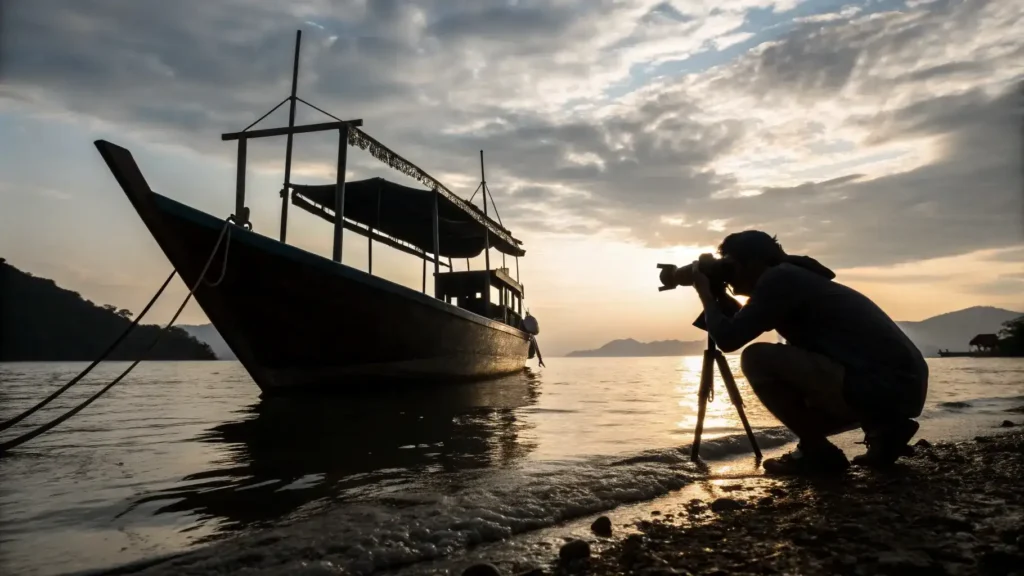
The frog eye angle is done by placing the camera extremely low, almost at ground level. With this technique, you create a unique and dramatic perspective. It’s suitable for showing details from below the subject or making the subject appear much taller. Since it’s rarely used, documentation with this angle often looks more creative and fresh. If you want to deliver an immersive and distinctive feel, this shot is worth trying.
6. Dutch Angle (Canted Angle)
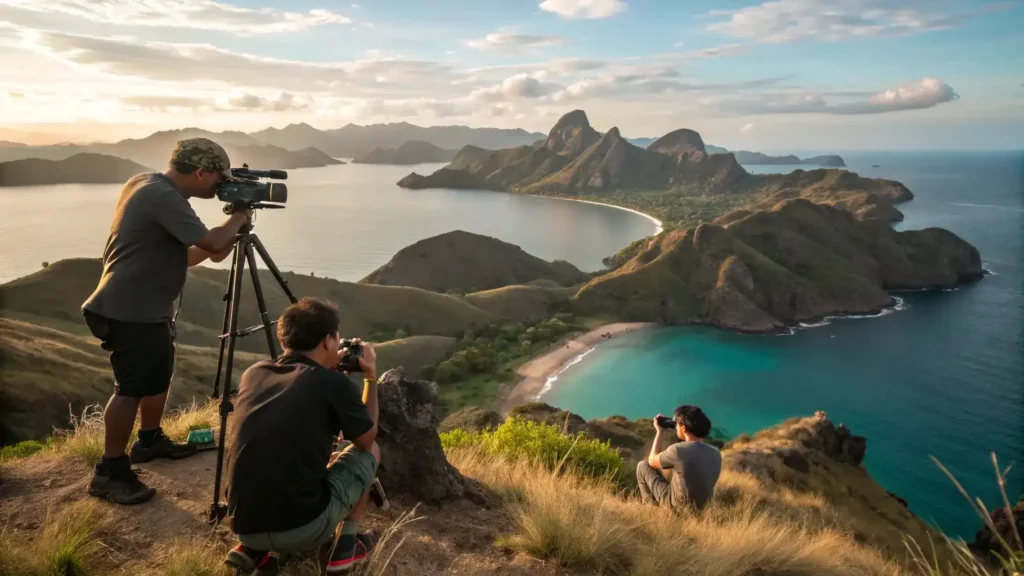
The Dutch angle, or canted angle, tilts the camera so that the horizon line appears slanted. This creates a mood that feels strange, tense, or even unsettling. It’s often used in films to represent instability or conflict. When applied in creative documentation, it adds a dramatic touch different from conventional angles. You can use it whenever you want to enhance the emotional effect of a scene.
7. Over Shoulder
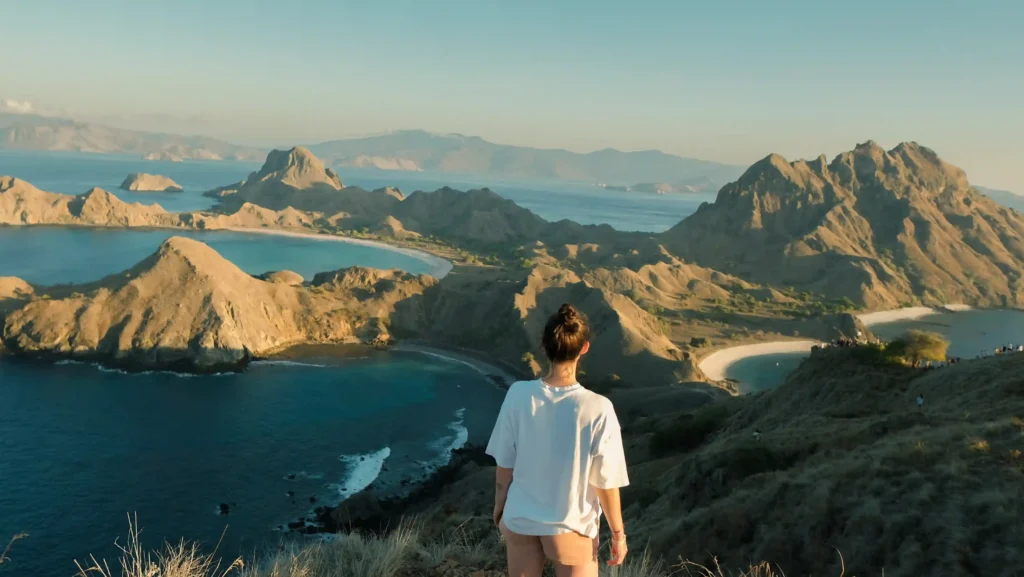
The over shoulder shot shows the subject from behind someone’s shoulder. With this technique, you create a personal perspective that makes viewers feel as though they’re part of the conversation or interaction. It’s typically used in dialogues, interviews, or documentation that highlights closeness between people. Because it adds intimacy, viewers can better understand the relationship between characters. If you want your documentation to feel more alive and narrative-driven, this angle is a great choice.
Read more: 10 Tips for Taking Photos in Harsh Sunlight in Labuan Bajo to Avoid Overexposure
The Role of Camera Angles in Documentation
If you pay attention, every professional documentation has its own unique style. One of the key factors lies in the choice of camera angle techniques. Without variation in shooting angles, the results can feel monotonous and lose their appeal. But with the right angles, even simple moments can turn into something meaningful and memorable.
For example, formal event documentation often uses eye level or high angle shots to create a neutral, neat, and informative impression. Meanwhile, in wedding documentation, you’ll often see close-ups, over shoulder shots, or even low angles to highlight the romantic and emotional atmosphere. In other words, camera angles are not just technical details, they’re visual strategies to tell stories and deliver the right messages.
Tips for Getting the Right Camera Angle
If you want your documentation to look more professional, here are some tips you can apply:
- Know the Purpose of Documentation
Before taking shots, understand whether the documentation is for a formal event, personal moment, or promotional need. This way, you can easily choose the angle that best fits the message you want to deliver. - Don’t Stick to One Angle
If you only use a single perspective, the results might look monotonous and less dynamic. That’s why you should experiment with multiple angles to make your documentation more engaging. - Take Advantage of Natural Lighting
The right lighting enhances the impact of your chosen angle. Try using sunlight or natural light sources to make your documentation look more vibrant. - Use Supporting Technology
With tools like drones, gimbals, or wide lenses, you can freely experiment with more creative perspectives. This technology makes it easier to produce distinctive and aesthetic results. - Pay Attention to Composition
A good angle becomes even stronger when combined with proper framing and balance. Always think about composition so your shots look clean and pleasing to the eye.
Read more: 10 Tips for Taking Photos During the Rainy Season in Labuan Bajo to Capture Your Holiday Moments
Let’s Capture Your Moments with Professional Documentation from Labuan Bajo Productions!
From everything we’ve discussed, you can see that camera angle techniques play a huge role in creating documentation that’s not only beautiful but also meaningful. With the right angle, even simple moments can be transformed into emotional visual stories.
However, mastering these techniques requires experience, creativity, and the right equipment. Instead of struggling to learn from scratch, it’s better to trust your special moments to a professional team. That’s where Labuan Bajo Productions comes in. With expertise in photography and professional videography, our team knows exactly how to choose the best angles for every occasion.
So, if you want to capture preweddings, vacations, or other important events in Labuan Bajo with high-quality results, don’t hesitate to choose the Professional Documentation Services from Labuan Bajo Productions. Because every precious moment deserves to be captured beautifully and turned into lasting memories.