Wildlife Photography in Labuan Bajo: Best Spots, Tips, & Professional Documentation

Labuan Bajo Productions Editorial Desk
May 17, 2026
10 min read
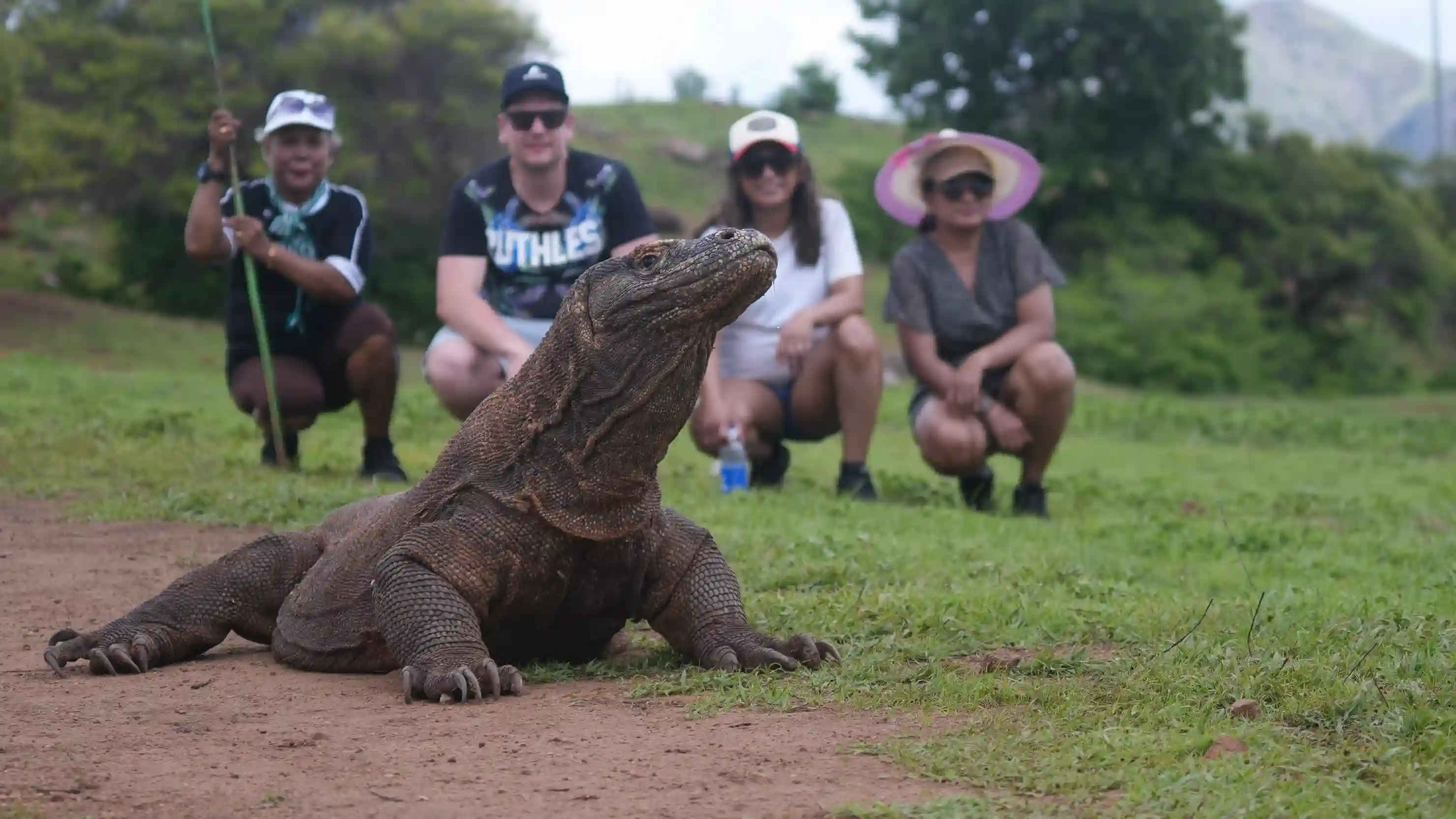
Many people come to Labuan Bajo to see komodo dragons in person and experience nature that still feels untouched. But behind the journey, there is one experience that often makes people want to remember every moment, which is wildlife photography in Labuan Bajo. From komodo dragons walking along trekking trails, wild deer roaming the savanna, to the peaceful morning atmosphere around the islands of Komodo National Park, everything feels too valuable not to be documented properly. The challenge is, how do you capture natural wildlife photos and videos without missing important moments during the trip? In this article, you will find a complete guide to wildlife photography in Labuan Bajo, along with tips for getting more professional and memorable travel documentation.
Key Takeaways
- Wildlife photography in Labuan Bajo offers a more authentic nature documentation experience because the wildlife on Komodo Island, Rinca Island, and throughout Komodo National Park lives directly in its natural habitat.
- Komodo Island, Rinca Island, Padar Island, and the waters surrounding Komodo National Park are among the favorite wildlife photography spots because they offer a combination of savanna landscapes, hills, ocean views, and diverse wildlife activity.
- The best time for wildlife photography in Labuan Bajo is usually during the morning and afternoon golden hour because the lighting is softer, the natural atmosphere feels more authentic, and the chances of capturing wildlife activity are much higher.
- Wildlife photography in open nature comes with challenges such as rapidly changing weather, fairly demanding trekking routes, and unpredictable wildlife movement, making proper preparation extremely important.
- Using the right equipment and support from a professional documentation team like Labuan Bajo Productions helps make your wildlife photography and trip documentation in Labuan Bajo look more natural, cinematic, and safe throughout the journey.
Why Is Labuan Bajo a Favorite Destination for Wildlife Photography?
Labuan Bajo has become one of the favorite destinations for wildlife photography in Labuan Bajo because the region offers a combination of savanna landscapes, hills, ocean views, and islands that still serve as active habitats for various wild animals. The natural lighting conditions in this area also support wildlife photography results because the morning and afternoon light tends to be softer while still maintaining clear landscape details.
Here are some reasons why Labuan Bajo is often chosen for wildlife photography:
- The wildlife habitat is still active and natural
The animals in Komodo National Park live directly in their natural habitat, making the documentation feel more authentic. This gives wildlife photos and videos a stronger storytelling element compared to artificial locations or conservation enclosures. - The landscape supports wildlife photography visuals
The combination of savanna, dry hills, and open sea creates more dynamic photo compositions. In a single frame, you can capture wildlife subjects along with natural elements that strengthen the atmosphere of the documentation. - Greater opportunities to capture natural moments
Wildlife activity in Labuan Bajo is quite active, especially in the morning and late afternoon. Because of this, photographers have a better chance of capturing natural interactions without needing too much direction. - Perfect for cinematic photo and video documentation
The islands around Labuan Bajo are ideal for cinematic footage using drones or handheld cameras. The transition between wildlife and landscapes makes the documentation feel more alive and less repetitive.
Wildlife Most Commonly Photographed in Labuan Bajo
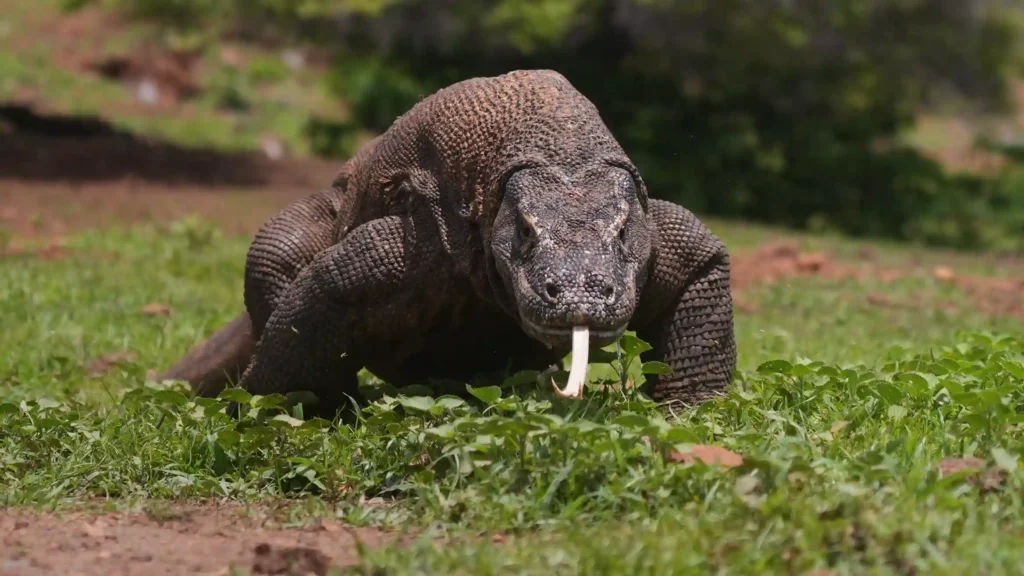
In the world of wildlife photography in Labuan Bajo, the komodo dragon is definitely the main subject most people want to capture because it can only be found in certain parts of Indonesia. However, the region is also home to many other fascinating animals worth documenting. This diversity makes wildlife photography in Labuan Bajo feel more varied and not focused on just one species.
Here are some of the animals most commonly photographed in Labuan Bajo:
- Komodo dragon
Komodo dragons have a strong visual character with their large bodies and iconic savanna habitat. Because of this, komodo documentation often becomes the main highlight of wildlife photography in Labuan Bajo. - Wild deer
Deer are usually spotted in open savanna areas, especially in the morning. Their fast movements require photographers to understand the right timing to keep the results sharp and natural. - Seabirds
Seabirds often become additional elements that strengthen the atmosphere of wildlife landscape photography. Their flight activity during sunrise or sunset makes the visual composition feel more dynamic. - Underwater life
Some wildlife documentation in Labuan Bajo also includes underwater elements such as turtles, manta rays, or tropical fish. This helps make the documentation feel more complete because it captures the entire natural ecosystem of the Komodo region.
Popular Spots for Wildlife Photography in Labuan Bajo
Wildlife photography spots in Labuan Bajo are generally located within Komodo National Park because the area still serves as an active habitat for many wild animals. Each location has different landscape characteristics and documentation opportunities, so your trip itinerary greatly affects the photos and videos you can capture. The better the choice of spots and visiting times, the higher the chance of getting more natural wildlife footage.
Here are some popular spots for wildlife photography in Labuan Bajo:
- Rinca Island
Rinca Island is a favorite location because its trekking routes are well known and the chances of encountering komodo dragons are quite high. The savanna landscape also supports wide-angle photography with a strong natural atmosphere. - Komodo Island
Komodo Island offers wider trekking trails with a combination of hills and natural komodo habitats. Many photographers choose this location to capture both wildlife and landscapes in a single frame. - Padar Island and surrounding hills
Although Padar is more famous as a landscape destination, the surrounding area is also often used for cinematic wildlife trip footage. The elevated viewpoints help showcase the broader natural scenery of Labuan Bajo. - Waters around Komodo National Park
Several marine areas around the Komodo islands are also excellent for underwater wildlife photography. Underwater documentation is usually included to complete the storytelling of the journey and make it feel more immersive.
Best Time for Wildlife Photography in Labuan Bajo
Morning and late afternoon are usually the favorite times for photographers because the lighting is softer and trekking temperatures are not too hot yet. In addition, wildlife tends to be more active during certain hours, increasing the chance of capturing natural moments.
Here are the most recommended times for wildlife photography in Labuan Bajo:
- Morning
Morning light creates softer tones while keeping landscape details clear. Wildlife activity is also usually more active, increasing the opportunity to capture natural moments. - Afternoon golden hour
Late afternoon before sunset provides warmer lighting tones for wildlife and landscape documentation. Many cinematic shots in Labuan Bajo are captured during this time because the atmosphere feels more alive. - Dry and clear weather season
Stable weather conditions help make the shooting process more consistent, especially for drone and landscape photography. Cleaner skies also make natural colors appear more natural on camera. - Less crowded trekking hours
Some photographers choose quieter trekking hours to reduce visual distractions in wildlife areas. This helps the documentation look more focused and less crowded with people.
Challenges of Wildlife Photography in Open Nature
Even though it looks exciting, wildlife photography in Labuan Bajo actually comes with significant challenges, especially because all shooting is done directly in open natural environments.
Here are some of the most common challenges encountered during wildlife photography:
- Wildlife movement is difficult to predict
Wild animals cannot be directed like regular photo subjects, so timing becomes extremely important. Photographers must understand the situation and stay ready to capture moments at any time. - Weather changes quickly
The island and savanna areas of Labuan Bajo can experience sudden weather changes. This affects lighting conditions and camera settings during the shooting process. - Trekking access can be challenging
Some wildlife photography locations require trekking on rocky trails under fairly hot temperatures. Because of this, stamina and proper equipment preparation are very important. - Wildlife safety factors
Photographing komodo dragons must be done while maintaining a safe distance and following ranger instructions. Getting too close can be risky for both visitors and the animals in their natural habitat.
Equipment Commonly Used for Wildlife Photography in Labuan Bajo
In wildlife photography in Labuan Bajo, equipment selection greatly affects the quality of the documentation because shooting is often done from certain distances.
Here are some of the equipment commonly used for wildlife photography in Labuan Bajo:
- Camera with fast focus capability
Wildlife movement often happens very quickly, so the camera needs responsive autofocus performance. This helps photographers keep the results sharp even when the subject is moving. - Telephoto lens
Telephoto lenses are used to capture wildlife details from a safe distance. Besides maintaining safety, close-up shots also look more natural without disturbing the animals. - Drone
Drones help capture landscape footage and wildlife habitats from a wider perspective. Aerial shots usually make the storytelling feel more cinematic. - Stabilizer or gimbal
This equipment helps keep videos stable, especially during trekking or moving shots. Smoother footage makes the final documentation feel more professional.
Tips for Getting More Natural Wildlife Photography Results
Wildlife photography in Labuan Bajo usually looks more appealing when the captured moments feel natural and not overly staged.
Here are some tips to make your wildlife photography look more natural:
- Focus on natural interactions
Wildlife documentation feels more interesting when it captures genuine activities during the journey. Candid moments usually feel more alive than overly directed poses. - Wear earth-tone outfits
Colors such as olive, beige, or off-white blend better with the savanna landscapes of Labuan Bajo. Natural outfit tones also help create more consistent photo results. - Avoid looking at the camera too often
Wildlife photography focuses more on the journey atmosphere rather than formal poses. Because of this, simply enjoying the trip often creates the best documentation results. - Keep a Safe Distance from Wildlife
In wildlife photography in Labuan Bajo, maintaining a safe distance from wild animals is extremely important, especially when visiting komodo habitats. Besides helping ensure safety during trekking activities, keeping a reasonable distance also allows the animals to behave naturally, making the final documentation look more authentic and natural. - Trust professional documentation teams
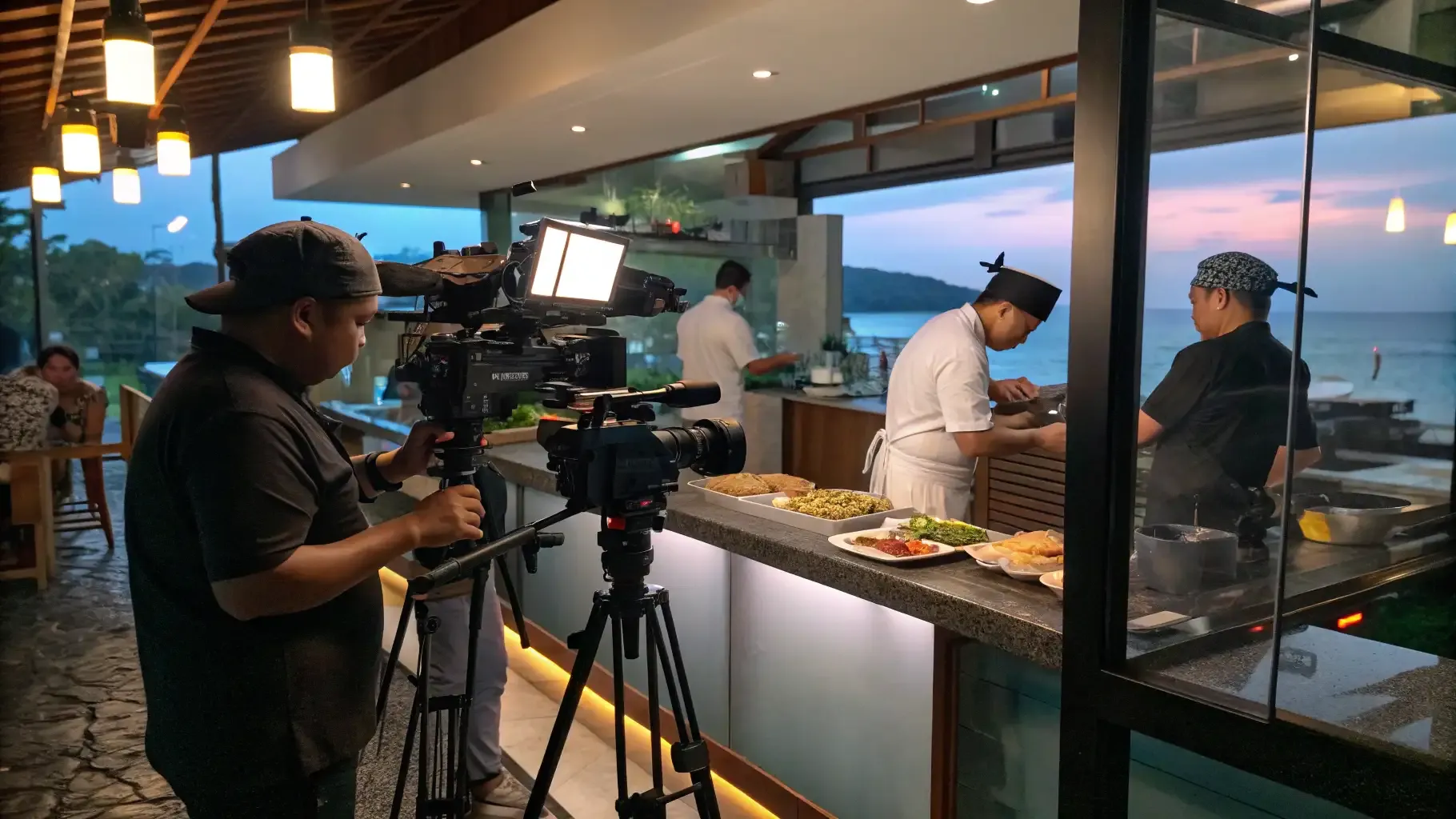
Professional documentation teams usually understand the right timing, angles, and shooting flow in wildlife areas, making the process feel more organized while still staying safe. For example, with Labuan Bajo Productions, you can get wildlife photography and trip documentation in Labuan Bajo with results that feel more natural, cinematic, and aligned with the character of your journey.
Capture Your Wildlife Trip Experience with Labuan Bajo Productions
Many people come to Labuan Bajo to see komodo dragons up close and experience nature that still feels truly untouched. But beyond the journey itself, there is one experience that often makes people want to relive every moment again, which is wildlife photography in Labuan Bajo. From komodo dragons walking along trekking trails, wild deer roaming the savanna, to the peaceful morning atmosphere around the islands of Komodo National Park, everything feels too special not to be documented properly.On the other hand, great documentation results are also heavily influenced by who captures the moments during your trip. Especially if your vacation is not only about enjoying the journey, but also about bringing home cinematic, natural, and story-driven photos and videos.
Using a local documentation service like Labuan Bajo Productions can make the entire documentation process feel more practical because our team already understands the character of each location, lighting conditions, trip flow, and the best angles for wildlife photography in Labuan Bajo. That way, you can focus more on enjoying your adventure through Komodo National Park without worrying about handling the documentation yourself throughout the trip. Contact our team today and book our professional Labuan Bajo documentation package to get wildlife trip documentation that feels more professional, personal, and memorable.